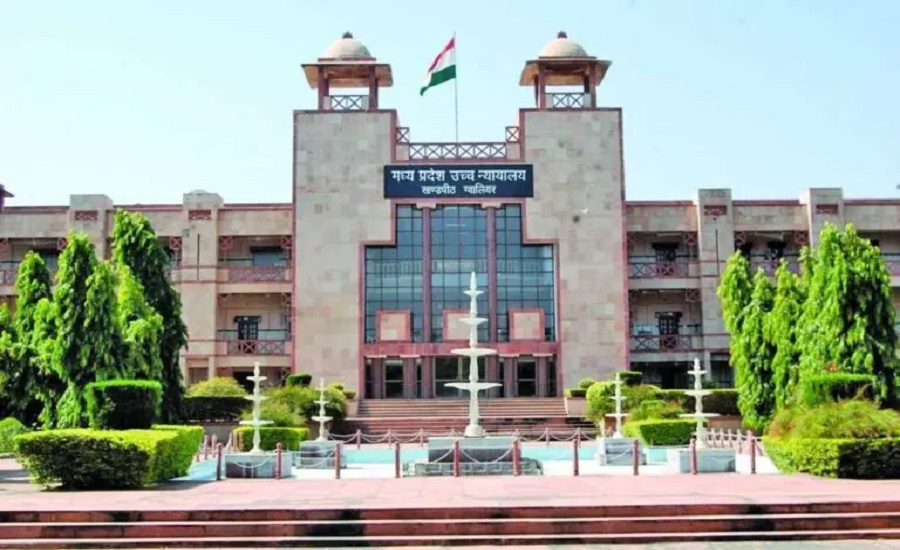
Indore: The Indore Vande Mataram controversy has sparked fresh legal and political debate after the Madhya Pradesh High Court issued notices in a Public Interest Litigation (PIL) over two Indore councillors allegedly refusing to sing the national song.
The case has drawn attention to questions around constitutional duties, public conduct, and freedom of expression. The court has now asked the concerned parties and the state government to respond.
High Court Directives on Indore Vande Mataram Controversy
The division bench of Justice Vijay Kumar Shukla and Justice Alok Awasthi issued notices to respondents while hearing the PIL filed by advocate Yogesh Hemnani.
Read also: Crucial Turn in Bureaucratic Fraud: Madhya Pradesh High Court Revives Case Against IAS Santosh Verma
The petition seeks a proper investigation into the conduct of the councillors and calls for a clear legal framework regarding behavior during the singing of the national song at public events.
The court has asked the state government and other respondents to file their replies in the matter.
Background of the Indore Vande Mataram Controversy
The controversy began during a budget meeting of the Indore Municipal Corporation, where two councillors allegedly refused to sing “Vande Mataram.”
Reports suggest that:
- The councillors not only declined participation
- They were also accused of making objectionable remarks
- The incident led to political uproar and public debate
Following the incident, an FIR was also registered against the councillors under charges related to promoting enmity and disharmony.
Indore Vande Mataram Controversy: Details of the PIL
The PIL, titled Yogesh Hemnani vs State of Madhya Pradesh, highlights:
- Lack of clear rules on conduct during national song events
- The need to uphold respect for national symbols
- Reference to constitutional duties under Article 51A
The petitioner argued that public representatives must maintain dignity and respect during such occasions.
Legal and Constitutional Angle of the Indore Vande Mataram Controversy
The case brings into focus an important constitutional question:
- Article 51A of the Constitution mentions the duty to respect national symbols
- However, courts have previously balanced such duties with fundamental rights like freedom of expression
The High Court’s decision in this case could help define clearer legal boundaries.
What Happens Next
The High Court has issued show-cause notices to:
- The two councillors
- The State of Madhya Pradesh
Further hearings will determine:
- Whether a probe will be ordered
- Whether guidelines on national song conduct will be framed
Read also: Explained: Why Karnataka High Court Said Singing Full ‘Vande Mataram’ in Schools Is Not Compulsory