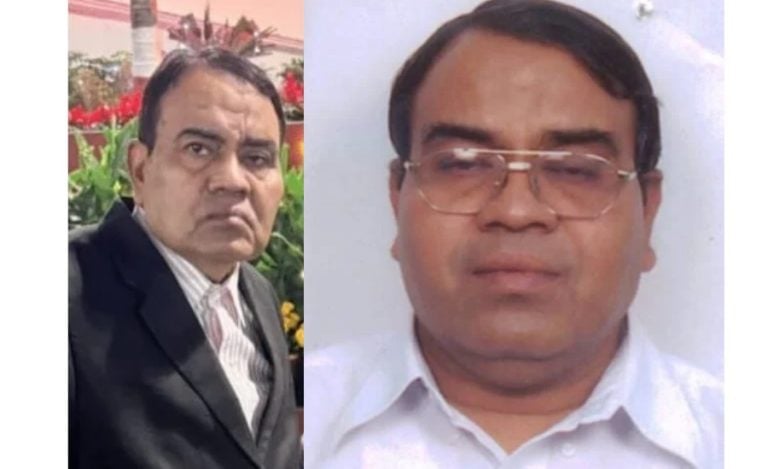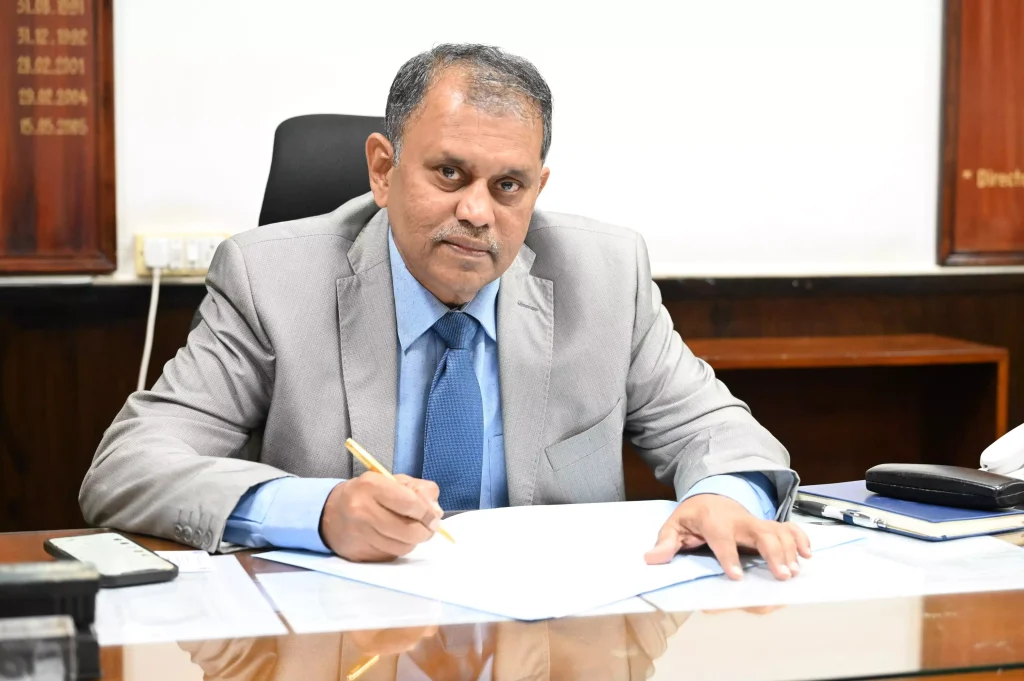
Hyderabad: Retired IAS officer Nimmagadda Ramesh Kumar (1982 batch), Director General of the Administrative Staff College of India (ASCI), Hyderabad, is facing multiple allegations from faculty members, including claims of harassment, denial of professional opportunities, retaliation following complaints, and administrative actions allegedly aimed at undermining long-established academic work within the institution.
The allegations have emerged through complaints submitted to various authorities, including the National Commission for Women (NCW) and the Administrative Staff College of India’s Court of Governors (COG). Ramesh Kumar has strongly denied the accusations, describing them as “motivated and malicious.”
Sexual Harassment Complaint and Subsequent Allegations
One of the most serious allegations comes from a senior woman professor who has been associated with ASCI for more than 15 years.
According to a complaint submitted to the National Commission for Women, the professor alleged that shortly after assuming office as Director General in August 2024, Ramesh Kumar called her for a private meeting and allegedly made sexually coloured remarks.
The professor claims she rejected the alleged advances and subsequently faced a series of adverse administrative actions, including removal from a leadership position, relocation to a smaller office, public reprimands, and professional marginalisation.
She further alleged that after approaching ASCI Chairman K. Padmanabhaiah, a retired IAS officer and former Union Home Secretary, she was advised to resolve the issue directly with the Director General.
Unsatisfied with the response, she escalated the matter to the National Commission for Women and also sent representations to various authorities.
NCW Proceedings and Internal Committee Inquiry
The complaint was eventually registered by the NCW after additional evidence was submitted.
According to the complainant, the Commission conducted proceedings and later held a virtual hearing on June 3, 2026. The matter was subsequently closed after directions were reportedly issued to ASCI to share the Internal Committee’s findings with the complainant.
The professor has expressed dissatisfaction with the internal inquiry process, alleging that the Internal Committee (IC) was constituted after the complaint arose and that its composition did not inspire confidence because members were allegedly reporting directly to the Director General.
She declined to participate in multiple hearings conducted by the committee, citing concerns over its independence.
The Internal Committee ultimately closed the matter in November 2024, reportedly citing insufficient details and the complainant’s absence during hearings.
Allegations of Professional Retaliation
The professor has also alleged that her professional responsibilities and work opportunities were systematically reduced after she raised complaints.
Faculty members at ASCI are required to generate consultancy projects, training programmes, and research assignments that contribute significantly to institutional revenue.
According to the complainant, she had consistently generated around ₹1 crore annually for the institute over recent years but was denied opportunities to continue performing at similar levels.
She further alleged that after her contract expired in May 2026, she was not allowed to enter the campus despite the issues she had raised remaining unresolved.
Additional Complaints by Faculty Members
Apart from the sexual harassment complaint, three other professors reportedly submitted representations to the Court of Governors earlier this year raising concerns about institutional functioning and administrative decisions.
Among the issues highlighted were:
- Reorganisation and merger of academic centres without consultation.
- Alleged attempts to curtail specialised work in cyber security programmes.
- Concerns over expansion of academic units without involving faculty members who had developed those areas.
- Claims that experienced domain experts were being sidelined in favour of individuals perceived to be close to the administration.
The complainants also alleged that after raising these concerns, they experienced various forms of administrative pressure and professional difficulties.
Allegations of Harassment and Workplace Tensions
Faculty members have further alleged that some complainants were subjected to public criticism, exclusion from institutional activities, denial of responsibilities, and other forms of workplace hostility.
Additional concerns have reportedly been raised regarding housing-related disputes involving faculty residing on the campus.
These allegations remain contested and have not been independently adjudicated.
Nimmagadda Ramesh Kumar Rejects Allegations
Responding to media queries, Nimmagadda Ramesh Kumar denied the accusations.
He stated: “As the affected party, I maintain arm’s length distance. All I can say is the allegations are totally motivated and malicious.”
He further indicated that ASCI’s administration would provide responses on broader institutional issues and noted that internal administrative matters involve privacy considerations.
As of the latest reports, a detailed institutional response addressing each allegation has not been publicly released.
Background: Ramesh Kumar’s Administrative Career
Nimmagadda Ramesh Kumar is a retired IAS officer who served in several senior administrative positions before becoming Director General of the Administrative Staff College of India in August 2024.
He previously served as the State Election Commissioner of Andhra Pradesh and attracted national attention during controversies surrounding the postponement of local body elections during the COVID-19 period, which later became the subject of legal proceedings.
ASCI’s Role in Public Administration Training
The Administrative Staff College of India is one of India’s leading public policy and management training institutions.
The Hyderabad-based institution works extensively with government departments, public sector enterprises, civil servants, and international organisations in areas such as governance, public administration, infrastructure, healthcare management, cyber security, urban development, and public policy.
Given its stature in the administrative and governance ecosystem, the allegations and counter-allegations have attracted significant attention within academic and bureaucratic circles.
Matter Likely to See Further Legal and Institutional Scrutiny
With some complainants reportedly considering legal remedies and continuing to challenge institutional actions, the controversy is expected to remain under scrutiny.
While allegations of harassment, retaliation, and administrative impropriety have been raised by faculty members, the Director General has categorically denied wrongdoing. Any definitive conclusions will depend on the outcome of future legal proceedings, institutional reviews, or inquiries by competent authorities.