New Delhi: India’s merchandise exports came under pressure during the fourth quarter of FY2025-26 due to global economic uncertainties, geopolitical tensions and supply-chain disruptions. However, robust growth in services exports and the rising strength of the pharmaceutical sector helped sustain the country’s external trade performance, according to NITI Aayog‘s latest Trade Watch Quarterly report.
The report reveals that India’s total external trade expanded by 5.4% year-on-year to US$1.84 trillion, underlining the resilience of the Indian economy despite a challenging global trade environment.
Merchandise Exports Decline, Imports Rise
According to the report, India’s merchandise exports declined by 2.8% year-on-year to US$112.03 billion during the fourth quarter of FY26.
At the same time, merchandise imports increased significantly by 11.9% to US$195.56 billion, pushing the merchandise trade deficit to US$83.53 billion.
The widening goods trade deficit reflected both external challenges and strong domestic demand that continued to drive imports across several sectors.
Read also: Madhya Pradesh CM Mohan Yadav Highlights Inclusive Growth, Industrial Push at NITI Aayog Meeting
Services Exports Cushion Trade Deficit
The services sector once again emerged as a key pillar of India’s external trade.
Services exports grew by 9% year-on-year to US$111.08 billion, while services imports increased by only 4.1% to US$50.7 billion.
This resulted in a healthy services trade surplus of US$60.4 billion, helping offset the merchandise trade deficit.
As a result, India’s combined goods and services trade deficit narrowed to US$23.15 billion, making it the second-lowest quarterly trade deficit recorded during FY26.
Services Exports Nearly Match Merchandise Exports
One of the report’s most significant findings is the narrowing gap between merchandise and services exports.
During FY26:
- Merchandise exports stood at US$442 billion
- Services exports reached US$421 billion
India retained its position as the world’s eighth-largest services exporter in 2025.
Over the last decade, services exports have nearly tripled from US$156 billion in 2015 to more than US$416 billion in 2025, registering a compound annual growth rate (CAGR) of 10.3%, substantially higher than the global average of 6.6%.
India’s share in global telecom and IT services exports also rose sharply from 9.5% to 14.9%, highlighting the country’s growing dominance in digitally deliverable services.
Export Performance Remains Mixed Across Sectors
The report noted varying performance across merchandise export categories.
Strongly Performing Export Sectors
Several sectors recorded healthy growth:
- Iron and steel exports increased by 18.4%
- Vehicle exports rose 14.2%
- Organic chemicals exports grew 5.6%
- Machinery and nuclear reactor exports increased 4.9%
Sectors Facing Pressure
Exports of:
- Natural and cultured pearls
- Precious stones
- Jewellery
recorded significant declines due to weaker shipments of cut and polished diamonds and gold jewellery.
Imports Reflect Robust Domestic Demand
Import trends reflected continued strength in domestic consumption and industrial activity.
Key import categories included:
- Mineral fuels
- Electrical machinery
- Precious stones and pearls
- • Machinery and industrial equipment
Major import trends were:
- Natural and cultured pearl imports surged 82%, driven largely by higher gold and silver imports
- Electrical machinery imports increased 17.7%
- Machinery and nuclear reactor imports rose 20.6%
- Animal and vegetable fats and oils imports climbed 24.1%
Meanwhile:
- Mineral fuel imports declined 11%
- Iron and steel imports fell 16.8%
Trade Diversification Efforts Show Progress
The report highlighted encouraging signs of trade diversification.
India’s dependence on a limited set of trading partners reduced during FY26.
Export Diversification
The share of India’s top ten export destinations declined from:
- 54.7% in Q1 FY26
- to 50.4% in Q4 FY26
Import Diversification
Import concentration fell from:
- 62.2% in Q1 FY26
- to 55.2% in Q4 FY26
Fast-Growing Export Markets
Among major destinations:
- Exports to China rose 36.9%
- Exports to Singapore surged 48.8%
- Exports to Hong Kong increased 53.8%
However, exports to the United States and the UAE declined during the quarter.
Pharma Sector Emerges as Major Export Driver
The report places special emphasis on India’s pharmaceutical sector, describing it as one of the country’s strongest export growth engines.
The global pharmaceutical and Active Pharmaceutical Ingredient (API) market reached approximately US$1.3 trillion in 2025, consisting of:
- Pharmaceutical products: US$1.02 trillion
- APIs: US$261 billion
Nearly 93% of global pharmaceutical demand remains concentrated in:
- Retail medicaments and formulated drugs
- Vaccines, blood products and immunologicals
India’s Pharmaceutical Exports Reach US$25.8 Billion
India’s pharmaceutical exports climbed to US$25.8 billion in 2025, accounting for roughly 2.5% of global pharmaceutical demand.
Key Export Segments
- Formulated medicines: US$22.6 billion
- Vaccines and blood products: US$2.2 billion
India’s global share in formulated medicines improved from:
- 3.2% in 2015
- to 4% in 2025
This further reinforces India’s reputation as one of the world’s leading suppliers of generic medicines.
API Exports Cross US$10 Billion
India’s API exports touched US$10 billion in 2025, representing 3.8% of global API demand.
Major export categories included:
- Nitrogen heterocyclic compounds: US$4.3 billion
- Antibiotics: US$0.9 billion
- Carboxyamides and amides: US$0.8 billion
- Amino compounds: US$0.7 billion
India also substantially improved its market share in several specialised API categories.
NITI Aayog Calls for Move Towards High-Value Pharma
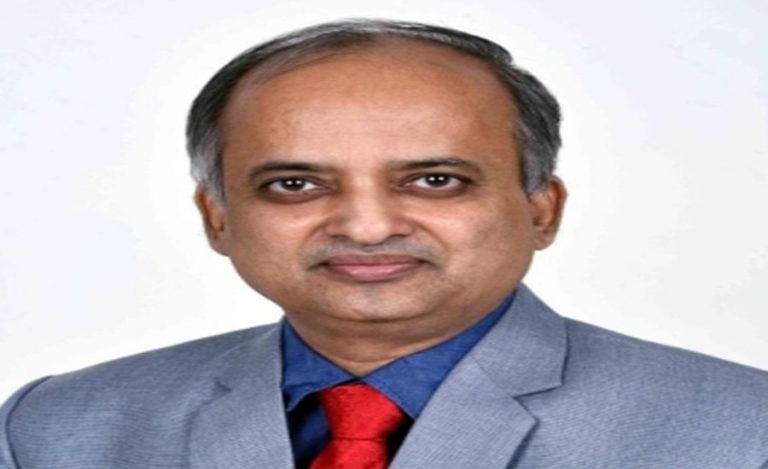
Speaking on the report, NITI Aayog Vice Chairman Ashok Kumar Lahiri stressed that India must move beyond low-value pharmaceutical manufacturing and expand into high-value, innovation-driven products.
He noted that while India has firmly established itself as the “pharmacy of the world” for generic medicines, future growth will depend on developing sophisticated pharmaceutical products with greater value addition.
According to Lahiri, stronger innovation capabilities would significantly enhance export earnings and improve India’s global competitiveness.
Concerns Over Limited Presence in High-Value Segments
Despite strong growth, the report identifies weaknesses in several high-value pharmaceutical categories.
Hormones and Analogues
Global demand in this segment reached nearly US$98 billion, accounting for about 38% of total API demand.
India’s export share declined from:
- 1.8% in 2015
- to 0.3% in 2025
Biologics and Biosimilars
India remains underrepresented in:
- Biologics
- Biosimilars
- Advanced therapies
These segments continue to be dominated by pharmaceutical innovation hubs such as Switzerland, Germany and Ireland.
India Strengthens Position as Global Generic Medicine Hub
The report reaffirms India’s growing influence in global healthcare.
India currently:
- Supplies nearly 50% of Africa’s generic medicine requirements
- Meets around 40% of generic medicine demand in the United States
- Provides nearly 25% of generic medicines consumed in the United Kingdom
India’s pharmaceutical exports to developing economies increased from US$5.5 billion in 2015 to US$9.7 billion in 2025, with key markets including Brazil, Mexico, Thailand, Vietnam and Colombia.
Innovation Ecosystem Expanding Rapidly
The report highlights substantial progress in pharmaceutical innovation.
Life sciences patent filings increased more than eight-fold:
- 440 filings in 2013
- 3,576 filings in 2023
This places India among the world’s top ten patent-filing nations across pharmaceuticals, biotechnology and medical technology sectors.
Non-Tariff Barriers Remain Major Challenge
The report identifies non-tariff barriers as a key obstacle for pharmaceutical exports.
These include:
- Sanitary and Phytosanitary (SPS) measures
- Technical Barriers to Trade (TBT)
- Licensing requirements
- Quality-control regulations
Such measures account for the overwhelming majority of trade restrictions faced by Indian pharmaceutical exporters in both developed and developing markets.
Lahiri Optimistic on Trade Outlook
Commenting on global developments, Lahiri expressed optimism regarding the proposed India-US Bilateral Trade Agreement, stating that free trade agreements should be viewed as mutually beneficial arrangements.
On the recent tensions in West Asia and the Strait of Hormuz, he described the disruption as a temporary supply shock rather than a prolonged crisis.
Using a medical analogy, Lahiri remarked that the Hormuz-related disruption resembled “influenza rather than typhoid”—a short-term problem that temporarily affected energy prices and transportation costs but did not create lasting structural damage.
Strategic Roadmap for Future Growth
NITI Aayog has recommended several measures to strengthen India’s export competitiveness:
- Expansion into biologics and biosimilars
- Greater investment in high-value pharmaceutical manufacturing
- Stronger industry-academia collaboration
- Faster patent approvals
- Improved technology transfer mechanisms
- Expansion of domestic API production
- Dedicated pharmaceutical chapters in future Free Trade Agreements
Strong Foundation for Future Export Growth
The report concludes that while merchandise exports continue to face global headwinds, India’s rapidly expanding services sector and globally competitive pharmaceutical industry provide a strong foundation for future growth.
As the country diversifies export markets, strengthens innovation capabilities and moves up the pharmaceutical value chain, these sectors are expected to play an increasingly important role in enhancing India’s global trade position and supporting long-term economic growth.
Read also: Who Will Be the Next NITI Aayog CEO? IAS Anurag Jain Leads Race as Centre Weighs Top Bureaucrats