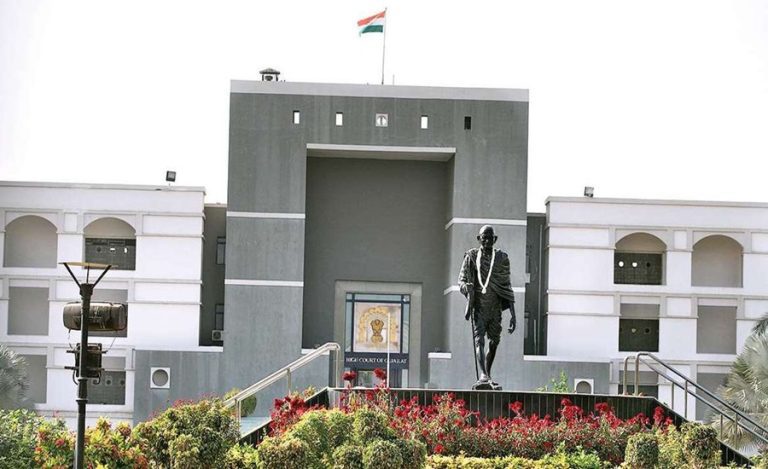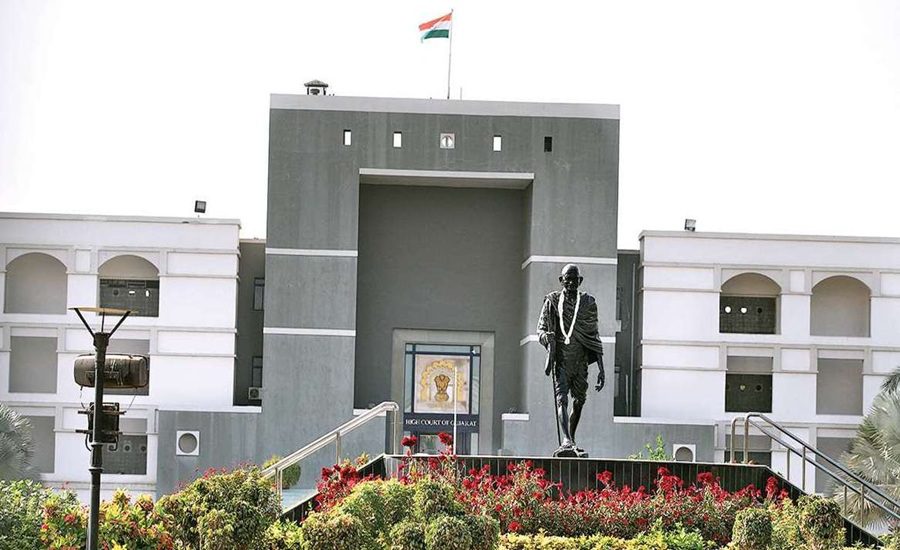
New Delhi: The Gujarat High Court has dismissed two petitions filed by former IPS officer Satish Chandra Verma, holding that he was liable to pay market-rate rent for occupying a government apartment beyond the period for which he was legally entitled to retain it.
Justice Nirzar Desai rejected Verma’s challenge to the Gujarat government’s demand for market rent, observing that the accommodation had been allotted to him because of his position as an Indian Police Service officer. Once his entitlement to retain the premises ended, he could not insist that the authorities issue a separate notice before charging the market rate applicable to unauthorised occupation.
The former officer, a 1986-batch Gujarat cadre IPS officer, had been allotted the government accommodation while serving as Joint Commissioner of Police (Traffic) in Ahmedabad. He later proceeded on Central deputation but continued to retain the apartment.
The court also made it clear that technical objections cannot be used to prevent the recovery of legitimate government dues.
Court: Government Accommodation Cannot Be Retained Indefinitely
The dispute relates to a government flat at New Samarpan Tower in Ahmedabad’s Gulbai Tekra locality, which was allotted to Verma in 2012.
At the time, Verma was serving as Joint Commissioner of Police, Traffic, in Ahmedabad.
According to the State government, his authorised period of retention of the accommodation ended in May 2014. Verma, however, continued to occupy the premises and ultimately vacated the flat in January 2018.
The State subsequently sought recovery of market-rate rent for the period during which it considered his occupation unauthorised.
Verma challenged the demand before the courts, leading to the latest proceedings before the Gujarat High Court.
Justice Nirzar Desai held that the government accommodation was allotted to Verma because of his official position and that, once the entitlement attached to that position ceased, he could not claim an indefinite right to remain in the premises.
The court emphasised that government accommodation is intended for serving officials who are legally entitled to occupy it and cannot be retained indefinitely by continuing litigation after the authorised period has expired.
Verma Cited Daughter’s Education and North-East Posting
During the proceedings, Verma’s side argued that there were circumstances justifying his continued occupation of the apartment.
His counsel, advocate Rahul Sharma, submitted that although Verma eventually vacated the flat in January 2018, the dispute concerned the demand for market rent for the period of alleged unauthorised occupation.
Verma had claimed that he was entitled to continue retaining the accommodation because of his daughter’s educationand his posting in the North-East.
The State government, however, maintained that the permissible retention period had expired in May 2014 and that Verma thereafter became liable to pay market-rate rent.
State Says Verma Delayed Recovery Proceedings
Appearing for the Gujarat government, Government Pleader G H Virk argued that Verma had overstayed in the government accommodation without paying the applicable market rent.
The State also submitted that Verma had repeatedly approached different courts and tribunals, thereby delaying recovery proceedings.
The High Court ultimately rejected the challenge and upheld the State’s position that market rent could be recovered for the period of unauthorised occupation.
The ruling reinforces the principle that entitlement to government accommodation is linked to an officer’s service status and applicable retention rules, rather than creating a permanent right to occupy the premises.
Who Is Satish Chandra Verma?
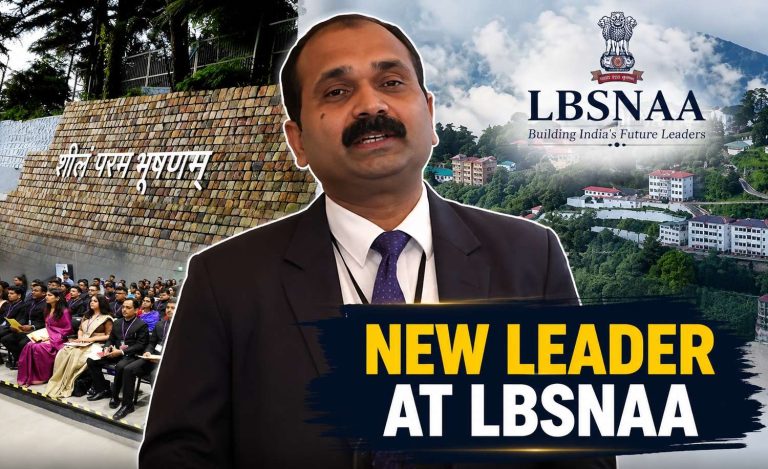
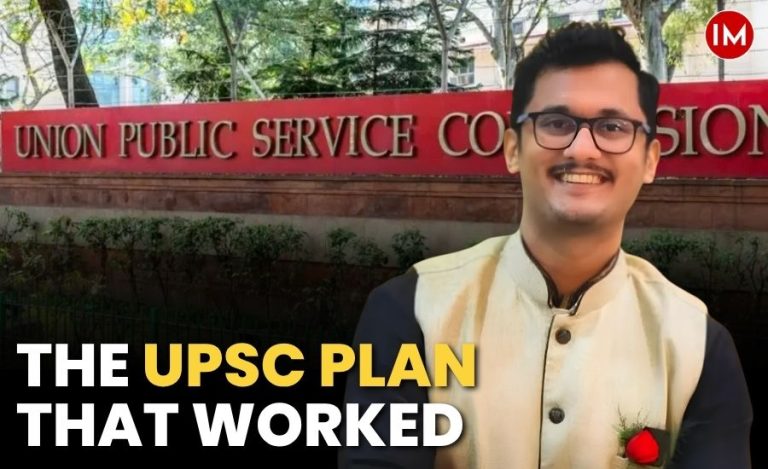
Satish Chandra Verma is a former 1986-batch Gujarat cadre IPS officer who came into national prominence for his role in the investigation of the 2004 Ishrat Jahan encounter case.
A native of Bihar, Verma holds a B.Tech. in Civil Engineering from IIT Delhi and is also an alumnus of IIM Ahmedabad.
During his more than three decades in public service, he served in several positions in Gujarat before becoming closely associated with the high-profile Ishrat Jahan investigation.
His career later included Central deputation and a senior vigilance assignment in the North-East.
Role in the Ishrat Jahan Encounter Probe
Verma’s name became widely known after he was appointed to the Special Investigation Team (SIT) constituted by the Gujarat High Court to investigate the June 2004 encounter near Ahmedabad in which 19-year-old Ishrat Jahan and three others were killed.
The SIT investigated the circumstances surrounding the encounter and whether the official version of the incident was supported by evidence.
Verma subsequently submitted an affidavit in which he concluded that the encounter had been staged.
When the Gujarat High Court subsequently transferred the investigation to the Central Bureau of Investigation (CBI), Verma was directed to assist the central agency.
His involvement in the investigation brought him into the national spotlight and was followed by a series of legal and administrative developments during the later years of his career.
Central Deputation and NEEPCO Posting
Following his involvement in the Ishrat Jahan investigation, Verma proceeded on Central deputation.
He served as Chief Vigilance Officer (CVO) at the Northeastern Electric Power Corporation Limited (NEEPCO)in the North-East.
His Central deputation also became relevant to the government accommodation dispute because he continued to retain the Ahmedabad flat after moving out of the state.
The Gujarat government maintained that the authorised period for retaining the accommodation had already expired and that he therefore became liable for market rent.
Dismissed From Service in 2022
Verma’s service career also ended amid a separate disciplinary and legal battle.
The Union Ministry of Home Affairs (MHA) dismissed him from service on August 30, 2022, shortly before his scheduled retirement.
The disciplinary proceedings were linked to allegations arising from an interview he gave to India Today in 2016, among other charges.
The charges included allegedly speaking to the media without government clearance, disclosing official information concerning the interrogation of witness R.V.S. Mani, and allegations relating to the use of NEEPCO premises.
The MHA imposed the penalty of dismissal, which also affected his pension and post-retirement benefits.
Delhi HC Later Rejected Challenge to Dismissal
Verma challenged his dismissal before the courts.
In May 2023, the Delhi High Court rejected his challenge to the government’s dismissal order, upholding the disciplinary action against him.
The dismissal had come just about a month before he was due to retire from the IPS, bringing to an end a career that had been marked by both senior policing assignments and prolonged legal disputes.
Government Accommodation Dispute Continues After Retirement
The latest Gujarat High Court ruling concerns a separate aspect of Verma’s long-running legal battles — his occupation of the government accommodation in Ahmedabad.
Although the flat was ultimately vacated in January 2018, the financial dispute over the rent payable for the period after his authorised retention ended continued for years.
The Gujarat High Court has now rejected his two petitions challenging the State’s demand for market rent.
The ruling makes clear that once an officer’s legal entitlement to government accommodation ends, continued occupation can attract the applicable market-rate charges and that procedural or technical objections cannot be used to defeat recovery of government dues.
What the Gujarat HC Ruling Means
The judgment underlines an important principle concerning government accommodation: official housing is a service-linked facility and is available to officers only for the period prescribed under the applicable rules.
In Verma’s case, the State maintained that his entitlement ended in May 2014, while he remained in possession until January 2018.
The High Court’s decision therefore allows the State to recover market-rate rent for the period of unauthorised occupation.
The ruling also sends a broader message that prolonged litigation cannot by itself create an entitlement to continue occupying government property after the underlying legal right to retain it has ended.