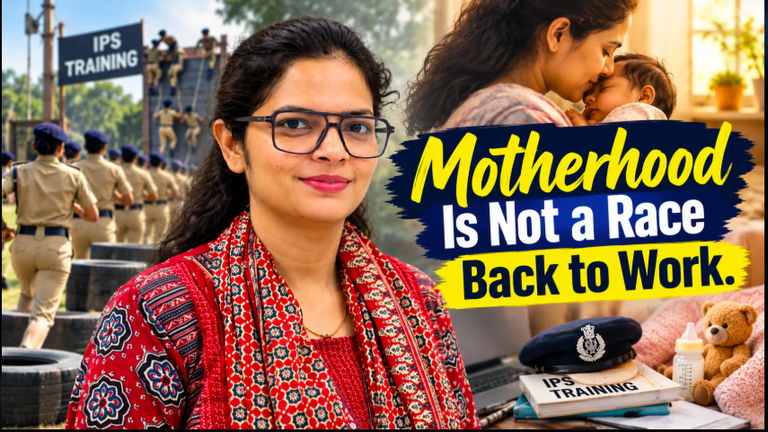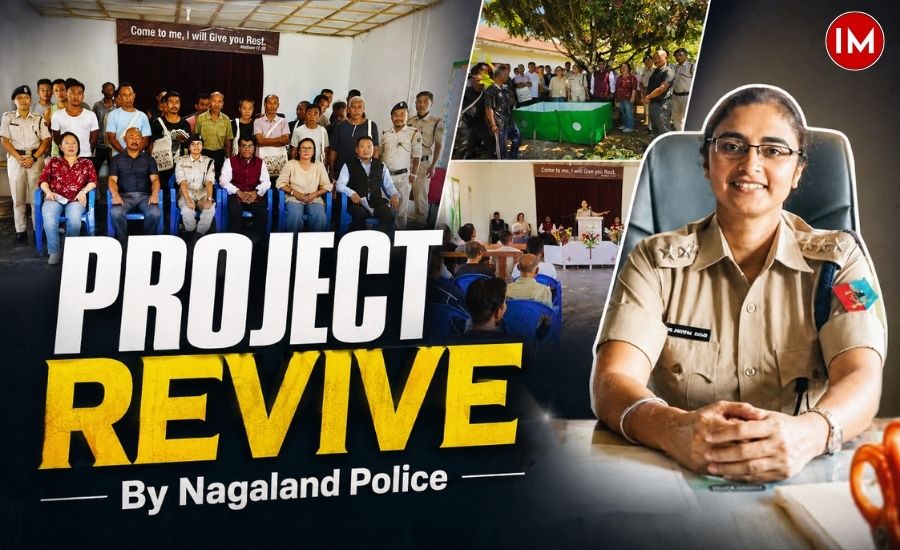
For many people, prison marks the end of opportunity. A conviction often brings not only punishment but also social stigma, unemployment, and financial hardship for an entire family. Recognising this reality, IPS officer Dr Pritpal Kaur, Superintendent of Police (SP), Phek, Nagaland (2016 batch, Nagaland cadre), has launched Project REVIVE, an initiative that seeks to prepare inmates for a meaningful life after release by equipping them with practical livelihood skills.
Launched on July 25, 2026, at the District Jail in Phek, the programme is the first initiative of its kind in the district. It is a collaborative effort between Phek Police, ICAR-Krishi Vigyan Kendra (KVK), Phek, and the District Legal Services Authority (DLSA), Phek. Rather than viewing imprisonment solely as punishment, the project focuses on rehabilitation, skill development, and reducing the likelihood of repeat offences.
A Question That Changed the Way Phek Police Looked at Rehabilitation
The idea behind Project REVIVE did not emerge from policy discussions alone. It came from real-life encounters that left a lasting impact on Dr Kaur.
One case involved a man from an economically weak family who was arrested after causing a road accident while driving under the influence of alcohol. As legal proceedings began, what worried him most was not his own future but the education and welfare of his three school-going children.
Another involved a very young boy who found himself accused in a criminal case arising from a relationship. The incident highlighted how impulsive decisions at a young age can alter the course of an entire family.
Reflecting on these experiences, Dr Kaur shared with Indian Masterminds, “This made us think that everyone makes mistakes, but then, not only that person but their whole family suffers. We thought that prison should not just be a place of punishment but an opportunity for reform and a comeback.“
That thought became the foundation of Project REVIVE.
Turning Prison Time Into Productive Time
The initiative is based on a simple principle: if inmates spend their time learning employable skills instead of remaining idle, they stand a better chance of rebuilding their lives after release.
Speaking at the launch, Dr Kaur stressed that rehabilitation must go beyond serving a sentence.
“By providing inmates with vocational skills while in jail, we enable them to earn an income during their sentence and build a stable livelihood upon release—allowing them to support their families and start fresh,” she said.
The first phase of the project began with technical training on vermicomposting and other sustainable agricultural practices. The sessions were conducted by Dr T. Esther Longkumer, Chief Technical Officer (Soil Science), ICAR-KVK, Phek, while the organisation also supplied the necessary materials for practical learning.
Dr Sanjeev Kumar Singh, Senior Scientist and Head of ICAR-KVK, Phek (Porba), explained the importance of agricultural livelihoods and outlined future training programmes that could help inmates develop long-term income sources.
The launch programme was chaired by Jailor Shri Nukhochiyi Tetseo, with the invocation offered by Shri Shevi Neikha, while Shri Sekhotso Rokha, Retainer Lawyer for PDLSA Phek, delivered the welcome address.
Skills That Continue Beyond Prison Walls
Project REVIVE is not intended to end with a single training programme.
The next phase will introduce inmates to handicrafts, muda (traditional stool) making, furniture production, and other livelihood skills. These products will be marketed in Kohima, Dimapur, and other parts of Nagaland, creating an opportunity for inmates to earn while serving their sentence.
Importantly, the income generated from the sale of these products will be handed directly to the inmates, helping them support their families and accumulate savings before re-entering society.
Such an approach addresses one of the biggest challenges faced by former prisoners: finding lawful employment immediately after release. Without skills or income, many struggle to reintegrate, increasing the possibility of reoffending. By creating both employability and financial support, the initiative aims to break that cycle.
Change Begins With Choice
While vocational training provides practical opportunities, Dr Kaur believes genuine transformation depends on personal commitment.
“Everyone deserves a second chance, provided they are truly ready to transform and REVIVE their hearts and minds. While technical training offers the tools, real change ultimately depends on an individual’s willingness to rehabilitate and contribute positively to society,” she said.
This philosophy runs throughout the programme. Along with technical instruction, inmates receive motivational guidance encouraging them to adopt discipline, responsibility, and a constructive outlook towards life after prison.
The practical sessions have already produced encouraging signs.
According to Dr Kaur, “The results have been deeply inspiring. When we conducted hands-on practical training, many inmates eagerly took up the work, and you could see a genuine spark of hope in their eyes. They are ready for the next phase of training too.”
The enthusiasm shown by participants suggests that many inmates are willing to invest in a different future if given the opportunity.
A Model That Goes Beyond Punishment
Across India, discussions around prison reforms increasingly focus on rehabilitation rather than incarceration alone. Project REVIVE reflects this shift by recognising that the effects of crime often extend beyond the accused to spouses, parents, and children.
When inmates return to society with employable skills, they are better positioned to earn a livelihood, support their families, and reduce dependence on unlawful means of survival. The programme also seeks to improve community safety by lowering the chances of repeat offences through economic stability and social reintegration.
For Phek Police, the initiative represents a broader understanding of law enforcement—one that combines accountability with rehabilitation.
As Project REVIVE expands into handicrafts and furniture making, it has the potential to become a model for correctional institutions looking to strengthen prisoner rehabilitation through skill development. Its message is simple: punishment may serve justice, but meaningful reform creates safer communities.
And for many inmates in Phek District Jail, that second chance has already begun.