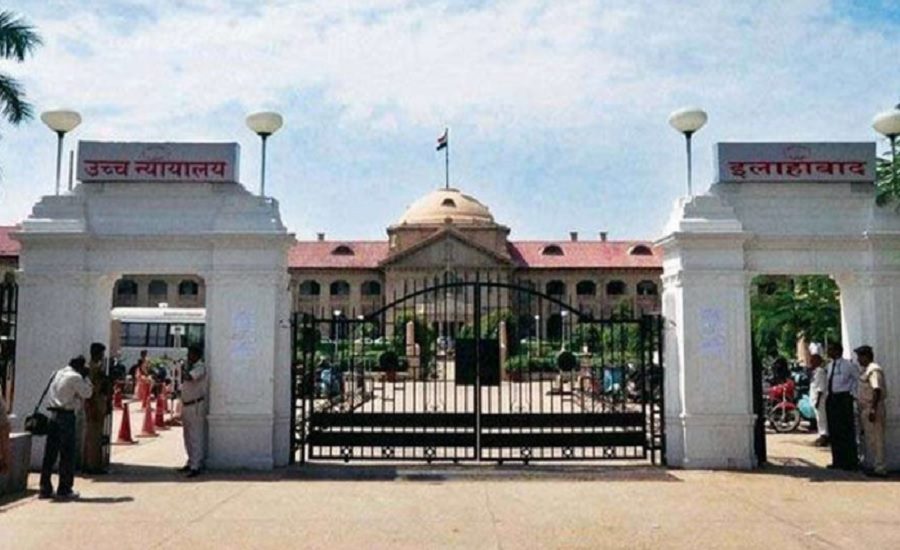
Allahabad: The Allahabad High Court Advocates Act ruling has clearly stated that only enrolled advocates can practise law in courts, and power of attorney holders do not have an automatic right to argue cases.
This important judgment reinforces the legal framework under the Advocates Act, 1961, ensuring that only qualified and registered lawyers represent litigants.
Details of Allahabad High Court Advocates Act ruling
The Allahabad High Court ruled that a person holding a Power of Attorney (PoA) cannot appear and plead on behalf of someone else as a matter of right.
The bench of Justice Vinod Diwakar emphasized that such practice would violate the provisions of the Advocates Act, 1961.
The court made it clear that:
- Only enrolled advocates are legally permitted to practise law.
- Non-advocates cannot act as pleaders in court proceedings simply based on a Power of Attorney.
Allahabad High Court Advocates Act ruling: Key Legal Provisions
The judgment relied heavily on key sections of the Advocates Act:
- Section 29: Declares that only advocates are entitled to practise the legal profession.
- Section 33: States that only enrolled advocates can appear before courts.
This reinforces the monopoly of registered advocates in legal practice across India.
Limited Exception: Court’s Discretion
The High Court clarified that:
- A non-advocate may be allowed to appear only with court permission.
- This is not a right but a discretionary power under Section 32 of the Act.
This means courts can allow representation in special situations, but it cannot become a regular practice.
Background of the Allahabad High Court Advocates Act ruling
The case involved a petitioner who claimed that:
- He regularly appeared in trial courts on behalf of litigants.
- He could act as a representative using a Power of Attorney, even without being a registered advocate.
However, the court rejected this argument and dismissed the plea, stating that:
- The petitioner was not a law graduate nor enrolled with the Bar Council.
- Therefore, he had no legal right to represent clients in court.
Why This Judgment Matters
Allahabad high court advocates act ruling is significant because:
- It prevents unauthorized legal practice.
- It protects litigants from unqualified representation.
- It strengthens the authority of the Bar Council system.
- It ensures professional accountability in the judiciary.
The decision also aligns with earlier judicial views that only qualified advocates should argue cases to maintain the integrity of the legal system.
Impact of Allahabad High Court Advocates Act ruling
The judgment sends a strong message that:
- Legal practice is a regulated profession, not open to everyone.
- Power of Attorney cannot be misused to bypass legal qualifications.
- Courts will strictly enforce professional standards under the Advocates Act.
This will likely reduce misuse of legal representation in lower courts and ensure better quality of advocacy.