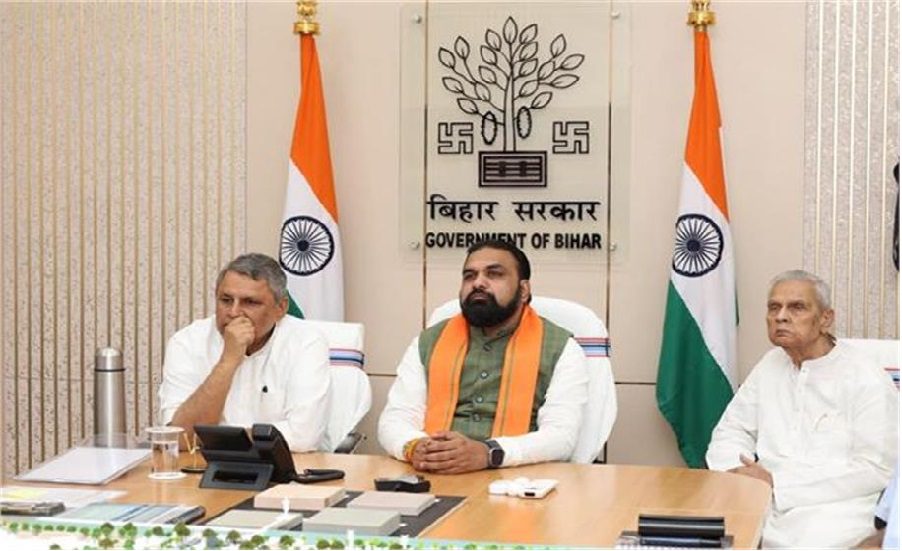
Patna: The Bihar Cabinet has approved two major road infrastructure projects aimed at transforming connectivity and boosting economic and religious tourism in the Saran district. The newly sanctioned projects—‘Narayani Path’ and ‘Ganga-Ambika Bhawani Path’—are expected to significantly improve regional mobility and development.
These projects were earlier proposed routes and have now been officially renamed and upgraded as part of the state’s broader infrastructure expansion plan.
Major Road Projects to Strengthen Regional Connectivity
The two key road projects approved by the state government include:
- Narayani Path (earlier Bakarpur–Dumariya Ghat route)
- Ganga-Ambika Bhawani Path (earlier North Ganga Path proposal)
These roads are designed to improve connectivity between rural and urban areas while supporting economic activities across the region.
Narayani Path to Link Key Regional Corridors
The Narayani Path will connect Konhua to Gopalganj, providing a high-quality four-lane greenfield road spanning approximately 73.51 km.
This route is expected to:
- Improve access to the famous Harihar Nath Temple in Sonpur
- Connect the upcoming airport and Harihar Nath corridor
- Enhance connectivity across Saran and nearby districts
The project is also expected to reduce travel time and improve logistics movement in the region.
Ganga-Ambika Bhawani Path to Boost Religious Tourism
The Ganga-Ambika Bhawani Path will strengthen connectivity between Narayani river region and Aami temple, enhancing religious tourism and regional accessibility.
This project aims to:
- Improve access to pilgrimage sites
- Boost tourism-related economic activities
- Strengthen rural-urban connectivity in Saran district
PPP Model for Road Development in Bihar
Along with these projects, Bihar has also approved multiple road developments under the PPP DBFOT (Design, Build, Finance, Operate, Transfer) model.
Key features include:
- Private sector-led construction
- Government provides land and support infrastructure
- Revenue generation through toll collection by private operators
This model is expected to accelerate infrastructure development while reducing financial burden on the state.
Additional Infrastructure Projects Approved
The state has also approved several other major infrastructure initiatives:
1. Vishwamitra Ganga Path
- 90 km road along the Ganga river
- Connects Buxar, Ara, Maner, and Koilwar
- Will link with JP Ganga Path in Patna
2. Gaya Ambika Path
- RCC bridge and access road project worth ₹113.84 crore
- Connects industrial corridor and NH-99
- Improves access to Gaya’s manufacturing cluster
₹3601 Crore Approved for Water Supply Maintenance
The Bihar government has sanctioned ₹3601 crore for the maintenance of 29,933 water supply schemes across the state.
Key objectives include:
- Five-year maintenance support
- IoT-based monitoring systems
- Improved water supply quality and efficiency
This move is expected to enhance rural drinking water services significantly.
Paperless Registration System to Improve Transparency
The government has approved the Bihar Registration Rules 2026, introducing a fully paperless registration system.
Key changes include:
- Elimination of physical stamp papers
- Use of e-stamp codes for payments
- Digital documentation through e-filing and e-signature
The reform aims to increase transparency, reduce delays, and simplify public services.
Other Key Approvals in Bihar Cabinet Meeting
Central School in Ara
- 5 acres of land allocated for new Kendriya Vidyalaya
- Lease of 30 years at token value
Patna Zoo Renaming
- Sanjay Gandhi Biological Park renamed as Patna Zoo
- Management body also renamed for simplified identity and global recognition
Boost for Economy, Tourism and Infrastructure
The newly approved projects are expected to:
- Improve road connectivity across Bihar
- Promote religious and cultural tourism
- Attract investment and boost local economy
- Strengthen rural-urban integration
The Bihar Cabinet’s approval of major road projects like Narayani Path and Ganga-Ambika Bhawani Path marks a significant step toward modern infrastructure development. Along with digital governance reforms and urban upgrades, these initiatives are set to transform connectivity and economic growth in the state.