New Delhi: In a major step toward modernising the capital’s road infrastructure, the Delhi government is developing a Road Asset Management System (RAMS) to digitally monitor and scientifically manage road maintenance. The initiative aims to address long-standing issues such as traffic congestion, pothole-ridden roads, dust pollution, and monsoon waterlogging.
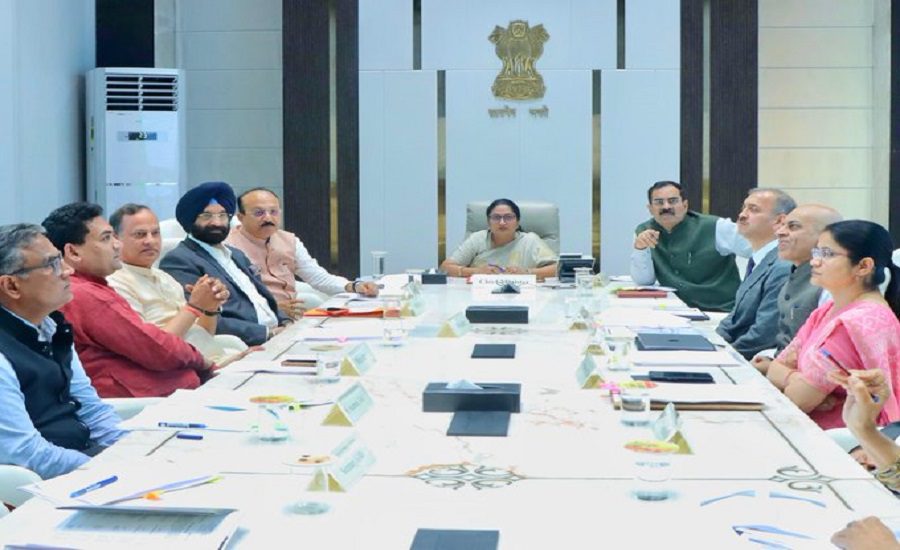
Chief Minister Rekha Gupta announced the project on Monday (June 9, 2026), stating that this will be the first integrated, data-driven road management system for Delhi.
Delhi Roads to Be Managed Through Digital Database
Under the RAMS framework, the city’s entire road network will be converted into a comprehensive digital database, recording key details such as:
- Road condition and structural quality
- Age of roads
- Damaged or weak sections
- Maintenance and repair requirements
The system will allow authorities to evaluate road conditions at regular intervals and prioritize repairs based on data rather than manual inspection alone.
The government believes this will improve efficiency, reduce unnecessary expenditure, and enhance overall road quality.
Collaboration with CSIR-CRRI and SPA
The Delhi government has signed an agreement with:
- CSIR-Central Road Research Institute (CSIR-CRRI)
- School of Planning and Architecture (SPA)
Under this partnership, CSIR-CRRI will provide technical expertise in road engineering, pavement technology, road safety, and asset management. SPA will contribute expertise in urban design, public space development, green infrastructure, and landscaping.
Tackling Dust Pollution Through Green Infrastructure
A major component of the project is reducing dust pollution in the capital. The plan includes developing green belts along roadsides using climate-appropriate plant species.
Key environmental measures include:
- Plantation of local and sustainable tree species
- Development of green corridors along major roads
- Environment-friendly urban landscaping
- Improved ecological balance in urban areas
Officials said increasing greenery along roads will significantly help reduce dust levels and improve air quality.
Focus on Solving Delhi’s Waterlogging Problem
Delhi faces severe waterlogging issues during the monsoon season. The RAMS initiative aims to address this by redesigning:
- Road gradients and slopes
- Stormwater drainage systems
- Rainwater flow management infrastructure
Rainwater harvesting systems will also be integrated into the project to improve water conservation and drainage efficiency.
Authorities believe these improvements will reduce flooding on roads during heavy rainfall.
Role of Expert Institutions in the Project
The collaboration brings together technical and design expertise:
- CSIR-CRRI will support road engineering, pavement design, safety systems, and asset management technology.
- SPA will focus on urban aesthetics, public space development, green infrastructure, and city landscaping.
This combined approach is expected to create a more scientific and sustainable road management model for Delhi.
Government Vision for a Modern Urban Road Network
Public Works Department Minister Pravesh Sahib Singh said the initiative will transform Delhi’s road infrastructure into a modern and future-ready system.
Environment Minister Manjinder Singh Sirsa added that large-scale plantation drives using native species will be undertaken to control dust pollution effectively.
A Shift from Traditional Maintenance to Smart Governance
The RAMS initiative is not just a road repair programme but a broader transformation in urban governance. It introduces:
- Data-driven infrastructure planning
- Predictive maintenance of roads
- Improved resource allocation
- Integrated environmental planning
Experts believe that with growing urbanisation and rising vehicle pressure, such technology-driven systems are essential for long-term sustainability.
Toward a Smarter and Cleaner Delhi
If successfully implemented, the Road Asset Management System could significantly improve Delhi’s road quality, reduce traffic disruptions, control pollution, and mitigate monsoon-related challenges.
The project marks a shift toward a smart, sustainable, and technology-enabled urban infrastructure model, potentially transforming how the capital manages its road network in the future.