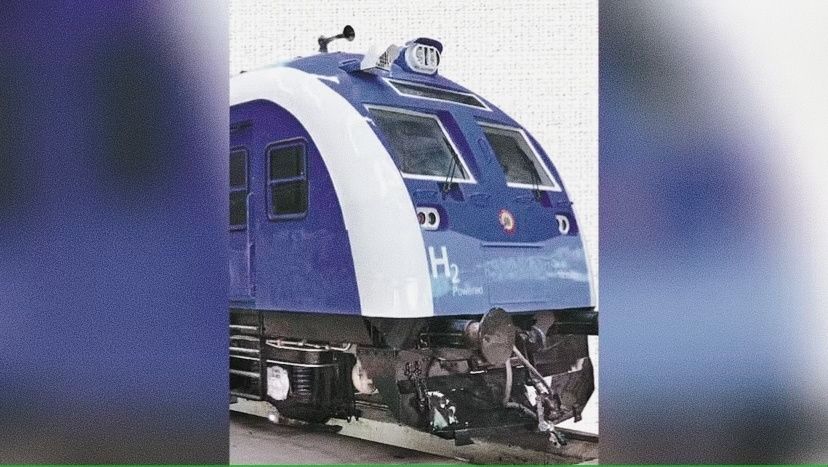
New Delhi: India’s first hydrogen train trail has successfully completed on the Delhi–Sonipat railway section, marking a significant step toward cleaner and greener rail transport. The trial focused on important safety tests, including emergency braking and oscillation (train stability). The successful run strengthens Indian Railways‘ plan to introduce hydrogen-powered trains that produce zero harmful emissions, supporting India’s clean energy goals.
Details of Hydrogen Train Trial
According to official updates, Indian Railways successfully conducted the latest hydrogen train trial between Delhi and Sonipat after earlier tests on the Sonipat–Jind section. The trial mainly evaluated:
- Emergency braking performance
- Oscillation and ride stability
- Overall operational safety
The successful results indicate that the train is moving closer to commercial passenger operations after completing all required regulatory approvals.
Read also: Boosting Green Logistics: Inside the New Indian Railways Wagon Design Policy
What Is India’s Hydrogen Train
India’s hydrogen train is the country’s first indigenous hydrogen fuel-cell powered train developed under the Indian Railways’ Green Rail initiative.
Instead of diesel, the train generates electricity through hydrogen fuel cells. The only direct emission from this process is water vapour, making it an environmentally friendly transport solution.
Safety Features of the Hydrogen Train
The hydrogen-powered train has been designed with multiple advanced safety systems, including:
- Hydrogen leak detection sensors
- Flame detection systems
- Continuous safety monitoring
- Modern fuel-cell technology
- Dedicated hydrogen storage and refuelling infrastructure at Jind
These systems are intended to ensure safe operation while using hydrogen as a fuel source.
Why Is Hydrogen Train Trial Important
The latest successful trial is important because it proves that the train can safely operate under real railway conditions. The emergency braking and oscillation tests are essential before any passenger service begins. Officials will now complete remaining inspections and certifications before regular operations start.
Read also: Indian Railways Turns Industrial Waste Into a Construction Goldmine With New Fly Ash Network