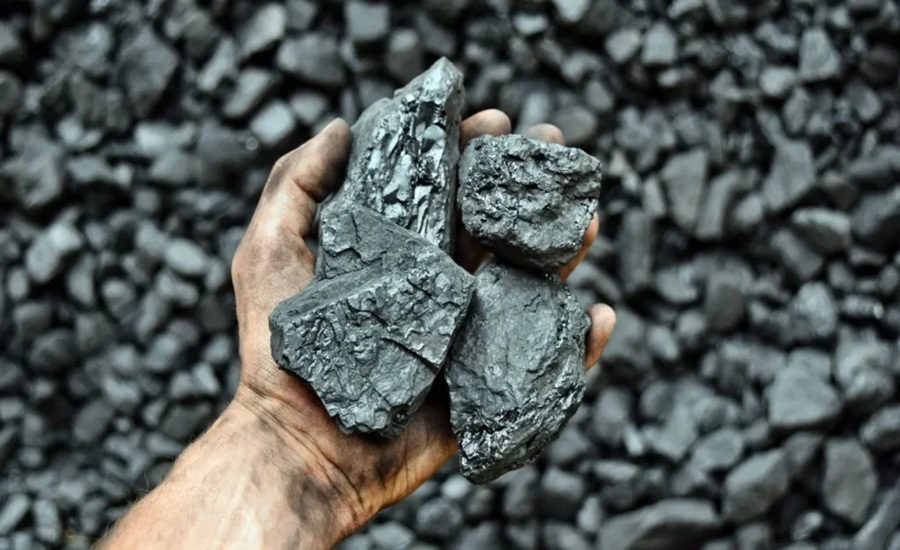
New Delhi: India rare earth samples have become a major focus as New Delhi explores new sources of critical minerals needed for electric vehicles, clean energy, and defense equipment. India is reportedly in talks with Russia’s Rosneft to obtain rare earth samples from the giant Tomtor deposit in Siberia. The move is part of India’s broader strategy to reduce its dependence on China for critical mineral supplies.
India Russia Rare Earth Partnership: Why Is India Interested in the Tomtor Deposit
India’s state-owned miner IREL (India Rare Earths Limited) is holding discussions with Russian energy giant Rosneft regarding rare earth samples from the Tomtor deposit in Russia’s Yakutia region.
Read also: Cabinet Approves Lower Royalties on Critical Minerals to Boost Domestic Production and Jobs
According to reports, the samples will first be processed in Russia before being sent to India for analysis. The purpose is simple:
- Study mineral composition.
- Assess commercial viability.
- Explore long-term supply opportunities.
- Strengthen India’s critical mineral security.
What Are Rare Earth Elements
Rare earth elements are a group of minerals used in many modern technologies. They are essential for:
- Electric vehicle (EV) motors
- Wind turbines
- Smartphones
- Advanced electronics
- Defense systems
- Permanent magnets used in clean energy equipment
Although called “rare,” these minerals are found in many places. The challenge is refining and processing them efficiently.
India Russia Rare Earth Partnership: Why Does India Want Alternative Supplies
China currently dominates the global rare earth supply chain and processing industry. To avoid supply risks and support domestic manufacturing, India is actively looking for alternative sources of rare earth minerals across the world. Recent efforts include exploring opportunities in Myanmar, Australia, Argentina, Malawi, Japan, South Korea, and now Russia.
Key Reasons
- Growing EV market in India.
- Rising demand for clean energy technologies.
- Defense manufacturing expansion.
- Supply chain diversification.
- Reducing import dependence.
What Makes the Tomtor Deposit Important
The Tomtor deposit is considered one of the world’s largest undeveloped rare earth deposits. Located in Siberia’s Yakutia region, it is viewed as a strategic asset for Russia’s plans to expand rare earth production. Rosneft acquired control of the project in 2025 after the Russian government pushed for faster development.
Industry experts believe Tomtor could become a significant source of rare earth minerals for global markets in the coming years.
India’s Rare Earth Strategy Gains Momentum
India has the world’s third-largest rare earth reserves, estimated at around 7.23 million metric tonnes. However, the country still lacks large-scale facilities capable of refining and separating many rare earth elements into high-purity products.
To address this gap, the Indian government approved a ₹73 billion (about $770 million) program to support domestic rare earth magnet manufacturing.
India is also encouraging both public and private companies to invest in rare earth mining, processing, and magnet production.
Strategic Importance of India Russia Rare Earth Partnership
Securing reliable access to rare earth minerals could help India:
- Build a stronger EV ecosystem.
- Expand renewable energy projects.
- Boost domestic manufacturing.
- Improve defense production capabilities.
- Strengthen long-term energy security.
Experts believe that diversifying rare earth supply chains will be crucial as global demand for critical minerals continues to rise.
What Happens Next?
India will first examine the rare earth samples from the Tomtor deposit before deciding on deeper cooperation with Rosneft. If the results are promising, the discussions could lead to broader partnerships involving mining, processing, and long-term supply agreements.
As the global race for critical minerals intensifies, India’s engagement with Russia’s Tomtor project highlights the country’s determination to secure strategic resources for future industries.
Read also: Why Is India Expanding Rare Earth Cooperation with Russia Despite Growing Quad Partnerships?