https://indianmasterminds.com

ADVERTISEMENT
ADVERTISEMENT

Parliament Clears Industrial Relations Code Amendment Bill 2026 — What Workers, Unions and Companies Should Know

Indian parliaments passed the Industrial Relations Code Amendment Bill 2026 for legal clarity to labours, unions and companies.
Industrial Relations Code Amendment Bill 2026
Indian Masterminds Stories

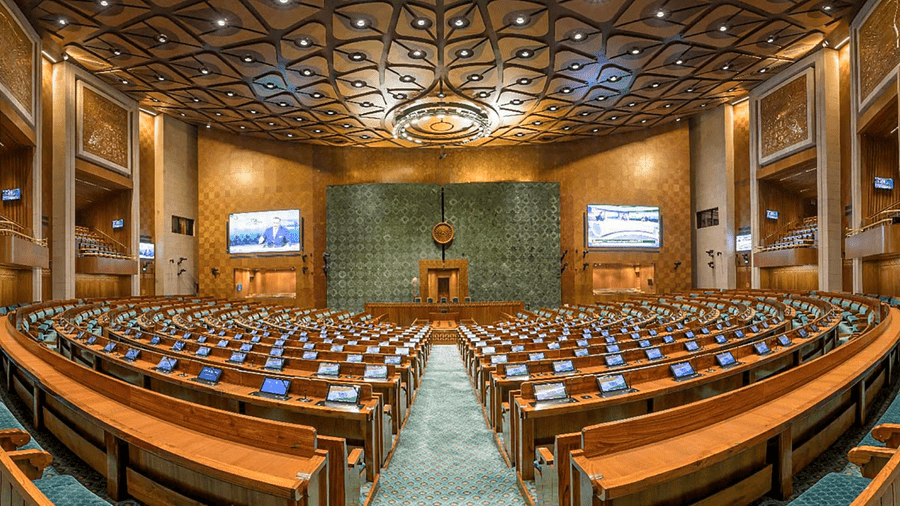
New Delhi: The Industrial Relations Code Amendment Bill 2026 was recently introduced and passed in the Indian Parliament  to provide much-needed legal clarity and certainty to India’s industrial relations framework. 

This legislative update targets ambiguities in the existing labour law regime and reinforces the repeal of older labour statutes subsumed under the Industrial Relations Code, 2020. 

What Is the Industrial Relations Code?

The Industrial Relations Code, 2020 is one of four comprehensive labour codes that were enacted to modernize an outdated and fragmented labour law system in India.

Read also: Fake Seeds and Fertilizers Bill: Government to Introduce Two Strong Laws to Protect Farmers in Next Parliament Session

Before the 2020 Code was introduced:

  • India operated under three separate acts:
    1. Trade Unions Act, 1926
    2. Industrial Employment (Standing Orders) Act, 1946
    3. Industrial Disputes Act, 1947

These governed union recognition, workplace conditions, and dispute resolution respectively.

The Industrial Relations Code consolidated these and provided rules on employment terms, collective bargaining, union registration, strike/lockout procedures, and dispute resolution.

Why the Amendment Was Needed

Although the 2020 Code repealed the three older acts, questions remained over whether the repeal stemmed directly from statutory law or was seen as an executive action. This uncertainty could invite legal challenges in courts.

To avoid such confusion and legal disputes later, the Government introduced the Industrial Relations Code Amendment Bill, 2026 in the Lok Sabha on February 11, 2026. The Bill was subsequently passed by both Houses of Parliament.

The key aim of the amendment is to clearly establish that the repeal of the three older labour laws was automatic and statutory as per the Code — not subject to executive discretion.

Key Provisions

Though largely procedural, the bill introduces important clarifications:

1. Legal Certainty of Repeal

It explicitly confirms that the:

  • Trade Unions Act, 1926
  • Industrial Employment (Standing Orders) Act, 1946
  • Industrial Disputes Act, 1947

These were repealed as a statutory consequence when the Industrial Relations Code, 2020 came into effect.

2. Avoid Future Litigation

By reinforcing the statutory basis, the Bill aims to avoid unintended legal complications that could emerge over how the older laws were repealed.

3. Continuity of Industrial Mechanisms

Action taken under the repealed laws remains valid, and their institutional aspects continue under the current Code.

Impact of Industrial Relations Code Amendment Bill 2026

Here are the following impact of industrial relations code amendment bill 2026; 

Strengthened Legal Framework

The amendment reduces ambiguity in labour law by clearly defining the status of repealed acts.

Boosts Ease of Doing Business

Clearer legislation can help reduce litigation risk and give employers and workers a stable regulatory environment.

Helps Implement Labour Codes

It supports earlier labour reform efforts that consolidated numerous outdated statutes into a modern system that aligns with global standards.

Conclusion

The Industrial Relations Code Amendment Bill, 2026 marks a significant legal step in India’s evolving labour reforms. By clarifying the repeal status of older labour laws, the amendment aims to prevent future court challenges and strengthen confidence in the industrial relations framework. It reinforces India’s ongoing effort to modernize labour legislation and improve legal certainty for workers, employers and industry stakeholders alike.

Read also: Government Enforces 4 Labour Codes, Marking India’s Most Ambitious Labour Reform Since Independence

Indian Masterminds Stories
ADVERTISEMENT
ADVERTISEMENT
Related Stories
ADVERTISEMENT
ADVERTISEMENT
NEWS
11th Heads of Mission Conference
‘Reforming Diplomacy for 2047’: India Reviews Global Strategy at 11th Heads of Mission Conference Amid Rising Geopolitical Tensions
traffic and transport
Bihar Cabinet Approves 219.51 km Road Network to Boost Connectivity and Ease Patna Traffic
nse
NSE Launches Electronic Gold Receipts (EGRs) to Transform Gold Trading with Transparent Price Discovery
midhani
MIDHANI Inaugurates Advanced Aerospace Fasteners Facility in Hyderabad to Boost Defence Manufacturing
IAS Lalit Goel
Who Is IAS Lalit Goel? Rajasthan Officer Placed Under APO Amid Plot Allotment and Land Diversion Controversies
Dharampal
Who Is Former IAS Officer Dharampal? Ex-Chandigarh Adviser Joins BJP Amid Punjab Political Shift
BEL
BEL Signs Tripartite MoU with Metamind and Kristellar Aerospace to Develop Advanced Defence Technologies
TAX
India’s Direct Tax Collections Rise Over 5% in FY26; Net Mop-Up Crosses ₹23.4 Lakh Crore
ADVERTISEMENT
ADVERTISEMENT
Videos
Punjab’s Welfare Push Backed by Surging Revenues Harpal Singh Cheema
Punjab’s Welfare Push Backed by Surging Revenues
vandana
IRS Vandana Sagar: From Academic Excellence to International Tax Leadership and a Champion’s Mindset
Pawan Sareen
Truth Behind India’s LPG Supply Strain Amid Rising Demand and Global Uncertainty 
ADVERTISEMENT
UPSC Stories
ashish
After Losing His Mother at 10, He Fought On to Fulfil Her Dream
Ashish Sharma’s UPSC journey is a powerful story of loss, persistence, and purpose, culminating in AIR...
Animesh Pradhan UPSC CSE 2025
How Animesh Mishra Cracked UPSC CSE 2025 with AIR 428: Prelims, Mains & Interview Strategy 
Animesh Mishra secured AIR 428 in UPSC CSE 2025 with a strategic and disciplined approach. Read his preparation...
Himanshu Tembhekar IDAS UPSC CSE
How to Crack UPSC in Marathi Medium: Himanshu Tembhekar’s Strategy, Challenges, and Success
Himanshu Tembhekar shares his UPSC strategy, challenges of Marathi medium, Prelims tips, and how he cleared...
CSR NEWS
school edcil
EdCIL Boosts Rural Education with New Classrooms and Sanitation Facilities in Varanasi School
Classroom & Sanitation Upgrade: EdCIL Strengthens Education Infrastructure in Varanasi
ntpc
₹7.19 Crore Healthcare Upgrade: NTPC Sipat Strengthens Bilaspur’s Medical Infrastructure
Big Boost to Healthcare: The initiative was highlighted during an event attended by Tokhan Sahu, Union...
ews
DVK Foundation Launches Scholarship Programme for EWS Students at BGIS Vrindavan
BGIS Vrindavan Partners with DVK Foundation for EWS Student Scholarships
ADVERTISEMENT
ADVERTISEMENT
ADVERTISEMENT
Latest
11th Heads of Mission Conference
‘Reforming Diplomacy for 2047’: India Reviews Global Strategy at 11th Heads of Mission Conference Amid Rising Geopolitical Tensions
traffic and transport
Bihar Cabinet Approves 219.51 km Road Network to Boost Connectivity and Ease Patna Traffic
ADVERTISEMENT
ADVERTISEMENT
ADVERTISEMENT
ADVERTISEMENT
ADVERTISEMENT
ADVERTISEMENT
ADVERTISEMENT
Videos
Punjab’s Welfare Push Backed by Surging Revenues Harpal Singh Cheema
vandana
Pawan Sareen
ADVERTISEMENT
ADVERTISEMENT