New Delhi: India Rafale MRFA deal has entered a decisive and sensitive phase as New Delhi makes access to critical technology a non-negotiable condition. The proposed multi-billion-dollar agreement with France for 114 fighter jets is now facing uncertainty due to disagreements over the Interface Control Document (ICD).
This issue is not just technical—it directly impacts India’s defence independence, future upgrades, and integration of indigenous weapons. If both sides fail to agree, the deal could collapse, triggering a major shift in the global fighter jet market.
What is the India Rafale MRFA Deal
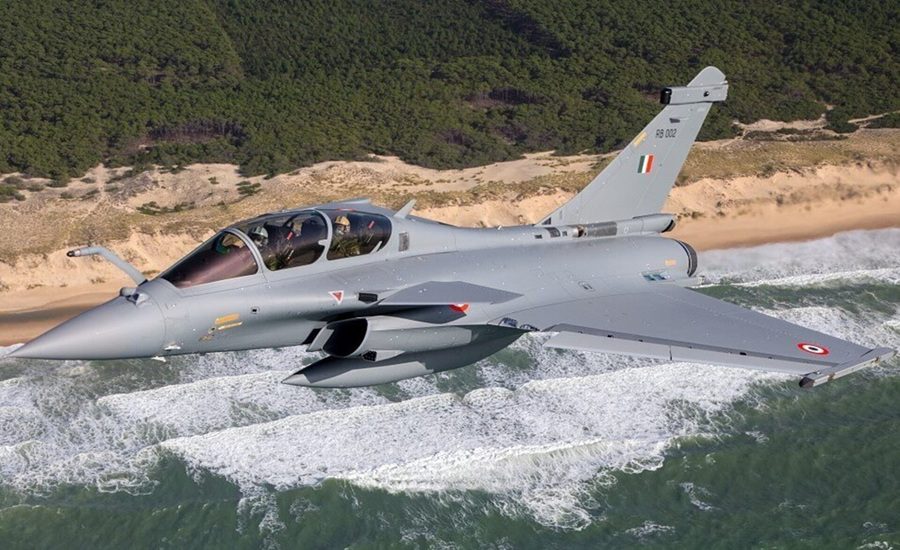
India plans to buy 114 Rafale fighter jets under the Medium Role Fighter Aircraft (MRFA) program to strengthen its air force.
Read also: India’s Own Rafale: Everything You Need to Know About Indigenous TTGE Plan for Rafale
- Estimated deal value: $36–43 billion
- Objective: Replace aging fighter squadrons
- Plan: Many jets to be manufactured in India under “Make in India”
India already operates 36 Rafale jets and has also signed a deal for 26 naval Rafales, showing strong defence ties with France.
Why “ICD Access” is the Main Issue
The Interface Control Document (ICD) is a highly sensitive technical document. It allows integration of weapons, sensors, and software into the aircraft.
India’s Stand
- ICD access is now a non-negotiable condition
- Without it, India cannot fully integrate its own missiles and systems
- It limits long-term independence and upgrade capability
India wants to avoid repeating its earlier Rafale deal experience, where lack of such access led to dependency on France for upgrades.
France’s Concern
- Protecting sensitive source codes and software architecture
- Preventing technology leakage
- Maintaining control over advanced defence systems
This disagreement has become the biggest roadblock in negotiations.
India Rafale MRFA Deal: “No ICD, No Deal”
India has clearly signaled that:
- No ICD access = No deal
- Negotiations may be stopped completely
- Strategic autonomy is now a top priority
This marks a major shift in India’s defence policy toward Atmanirbhar Bharat (self-reliance).
Strategic Importance for India
1. Defence Independence
ICD access will allow India to:
- Integrate indigenous weapons like Astra missiles
- Upgrade systems without foreign approval
- Reduce long-term costs
2. Faster Modernisation
Without ICD:
- Integration becomes slow and expensive
- Dependence on foreign OEMs increases
3. Stronger Deterrence
India needs advanced fighters due to:
- Rising tensions with China and Pakistan
- Depleting fighter squadrons
Impact on Global Fighter Market
If the deal fails, it could:
- Open doors for Russia’s Su-57E offer again
- Increase competition among global defence suppliers
- Change future defence export policies of Western nations
This is why analysts call it a “global fighter market shockwave.”
Read also: Make in India Gets Boost: How Varuna 2.0 Antenna will Boost India’s Satellite Programme