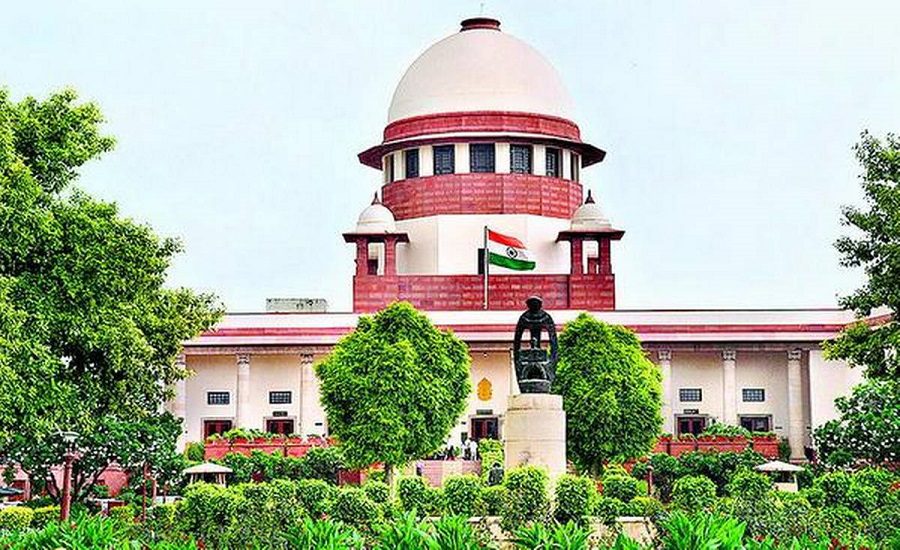
New Delhi: The UGC Equity Regulations controversy has taken a new turn after the Supreme Court stayed key provisions of the University Grants Commission (UGC) rules. Now, the Madhya Pradesh High Court will examine a related circular that allegedly excludes general category students from filing discrimination complaints. This development raises serious questions about equality, student rights, and institutional accountability in Indian universities.
Background of UGC Policy Row
The University Grants Commission (UGC) introduced Equity Regulations to ensure fair treatment of students, especially those from marginalized communities.
These rules aimed to:
- Prevent caste-based and social discrimination
- Set up complaint mechanisms in universities
- Promote inclusivity on campuses
However, critics argue that certain provisions may unintentionally exclude students from the general category when raising discrimination concerns.
Supreme Court’s Stay
Recently, the Supreme Court stayed parts of these regulations, indicating that:
- There may be constitutional concerns
- Equal protection under law must apply to all students
- Policies cannot selectively limit access to grievance mechanisms
This stay has opened the door for further legal scrutiny across India.
UGC Policy Row: MP High Court Steps In
The Madhya Pradesh High Court is now reviewing a specific circular linked to these regulations. The petition challenges the circular on the grounds that:
- General category students are excluded from filing discrimination complaints
- This violates Article 14 (Right to Equality) of the Constitution
- Institutional mechanisms must be universally accessible
The court has decided to examine whether such exclusion is legally valid.
Key Legal Questions Raised
1. Can grievance mechanisms be selective?
If complaint systems are limited to certain categories, it may undermine equal access to justice.
2. Does this violate fundamental rights?
The Indian Constitution guarantees equality before the law, making any exclusion legally questionable.
3. Balance Between Inclusion and Equality
While protecting marginalized groups is essential, policies must not create reverse discrimination.