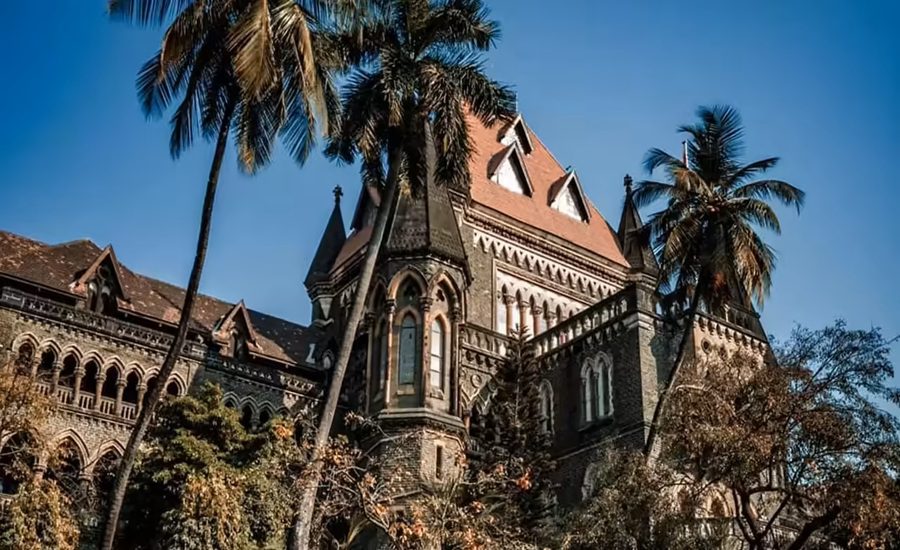
New Delhi: In a significant development for the judiciary, the President of India has appointed six additional judges of the Bombay High Court as permanent judges. The appointments were notified by the Central Government following the recommendation of the Supreme Court Collegium, which had approved their names on May 18, 2026.
The move is expected to strengthen the functioning of one of India’s busiest High Courts and enhance judicial capacity in handling a large volume of cases across Maharashtra, Goa, and the Union Territories under its jurisdiction.
Appointments Cleared Following Collegium Recommendation
The appointments come after the Supreme Court Collegium, headed by the Chief Justice of India, reviewed and recommended the names of the six judges for permanent appointment.
Read Also: Supreme Court Collegium Announces 3 Recommendations for Himachal High Court Appointments
Under the constitutional process, judges are initially appointed as additional judges and may subsequently be confirmed as permanent judges based on factors including judicial performance, integrity, disposal of cases, and overall suitability.
Following the Collegium’s recommendation, the proposal received approval from the Central Government and was subsequently cleared by the President.
Six Judges Appointed as Permanent Judges
The following judges have been appointed as permanent judges of the Bombay High Court:
- Justice Nivedita Prakash Mehta Justice Nivedita Prakash Mehta
- Justice Prafulla Surendrakumar Khubalkar Justice Prafulla Surendrakumar Khubalkar
- Justice Ashwin Damodar Bhobe Justice Ashwin Damodar Bhobe
- Justice Rohit Wasudeo Joshi Justice Rohit Wasudeo Joshi
- Justice Advait Mahendra Sethna Justice Advait Mahendra Sethna
- Justice Pravin Sheshrao Patil Justice Pravin Sheshrao Patil
Their confirmation as permanent judges marks an important milestone in their judicial careers and provides greater institutional continuity within the High Court.
Significance for Bombay High Court
The Bombay High Court is among the oldest and most influential High Courts in India. It handles a vast range of civil, criminal, constitutional, commercial, taxation, and public interest litigation matters.
Judicial appointments and confirmations play a crucial role in ensuring:
- Timely disposal of cases
- Reduction of judicial vacancies
- Improved access to justice
- Greater administrative efficiency
- Strengthening of judicial infrastructure
The confirmation of six additional judges is expected to provide stability and strengthen the court’s ability to manage its extensive caseload.
Judicial Appointments Process
Under the constitutional framework, appointments of High Court judges are made by the President of India in consultation with the judiciary and the executive.
The Supreme Court Collegium evaluates eligible candidates and recommends appointments, transfers, and confirmations. After scrutiny by the Central Government, the recommendations are forwarded for Presidential approval.
The elevation of additional judges to permanent status is considered an important step in maintaining judicial continuity and ensuring long-term institutional effectiveness.
Strengthening the Higher Judiciary
The latest appointments come amid ongoing efforts to fill vacancies across High Courts and improve judicial efficiency nationwide.
Legal experts note that timely confirmation of judges helps strengthen the justice delivery system by ensuring continuity in judicial work and reducing uncertainty arising from temporary appointments.
With these six confirmations, the Bombay High Court receives a significant boost in judicial strength, reinforcing its role as one of the country’s most important constitutional courts.
Read Also: No Work, No Pay: Chhattisgarh High Court Delivers Major Verdict on Back Wages After Acquittal