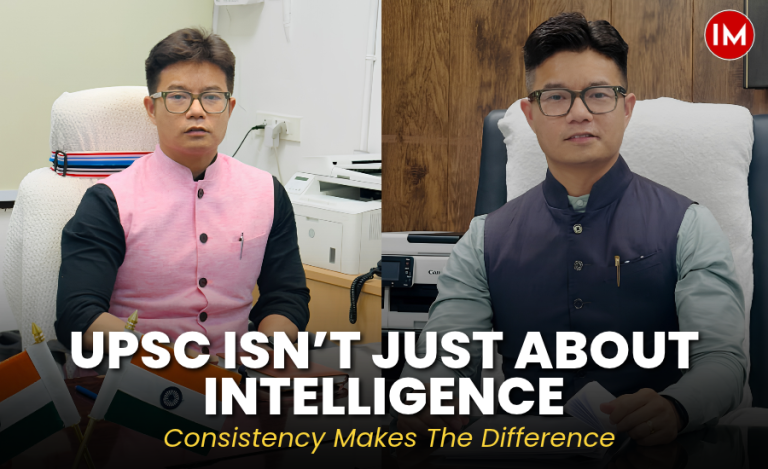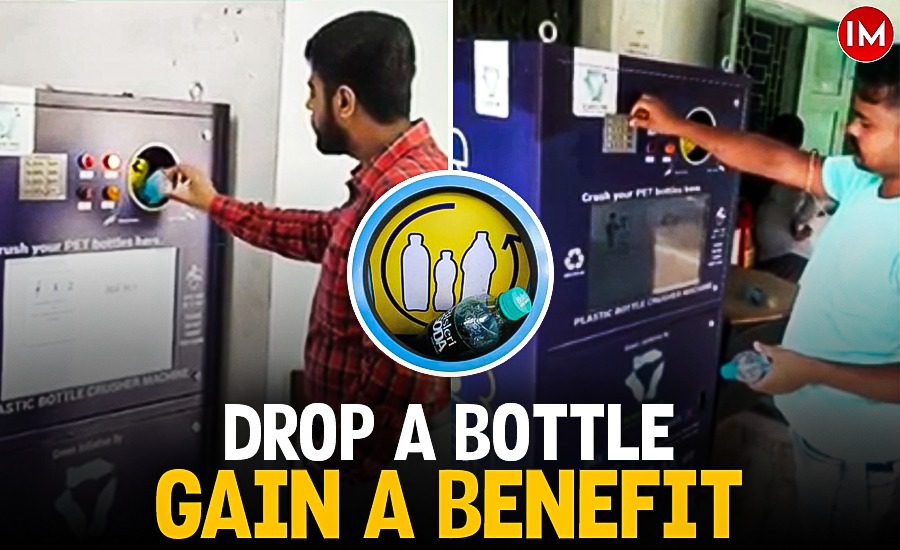
What if a single plastic bottle you toss away could unlock rewards worth up to INR 1000? In Dakshin Dinajpur, West Bengal, an inspiring initiative led by IAS officer Naveen Kumar Chandra (2018 batch, West Bengal Cadre), Additional District Magistrate (Zilla Parishad), is turning this vision into reality. Known as “Waste to Wealth,” this program is reshaping waste management by converting plastic waste into a valuable asset while encouraging community participation. With the district administration joining forces with major corporations and local residents, this effort offers a fresh perspective on tackling plastic pollution.
WASTE TO WEALTH
The “Waste to Wealth” initiative, launched under the Panchayat and Rural Development (PRD) Department, Government of West Bengal, addresses the pressing issue of plastic waste that clogs streets and harms the environment. Dakshin Dinajpur’s innovative approach involves collecting discarded plastic bottles and repurposing them in practical ways, such as incorporating them into road construction. This not only clears the landscape of litter but also reduces the demand for new raw materials. The program’s strength lies in its ability to engage every level of society—government officials, private companies, and everyday citizens—creating a unified front against waste.
The district administration has established a systematic process where residents can drop off their plastic bottles at designated collection points. These sites are strategically placed across the district, including near local shops, pharmacies, and community centers, making participation convenient. Once collected, the bottles are sorted and processed by trained personnel using district machinery. Some are crushed and mixed into road-building materials, while others are sent for further recycling, ensuring no waste goes unused.
What sets this program apart is its reward system, designed to motivate people to act. In partnership with leading Indian companies, the initiative offers enticing incentives. For instance, depositing a single bottle qualifies individuals for a 20% discount on consultations with a top neuro healthcare provider, a 20% reduction on purchases from the country’s largest regional language publisher, or a 10% discount on books from the biggest online used books seller. These rewards cater to diverse needs—healthcare, education, and leisure—making the program appealing to a wide audience. The collaboration with these corporate giants not only funds the rewards but also amplifies the initiative’s reach.
IAS Naveen Kumar Chandra, the driving force behind this effort, shared his vision with Indian Masterminds. “The idea is to involve all stakeholders—the government, the people, and the private sector—to work on the problem. It is to incentivise change in behaviour, nudging people to do the right thing by rewarding that action,” he explained. His leadership has fostered a sense of ownership among residents, who see tangible benefits from their contributions. The programme aligns with the Swachh Bharat Mission’s objectives in Bengal, reinforcing its role in national cleanliness campaigns.
The impact of this initiative extends beyond mere waste collection. Before its launch, plastic bottles littered public spaces, clogged drainage systems, and posed health hazards. Now, the district’s streets are cleaner, and the environment benefits from reduced pollution. The use of plastic in road construction has proven cost-effective, with the material adding durability to the infrastructure. This dual benefit—environmental cleanup and infrastructure improvement—has caught the attention of other regions looking for scalable solutions.
COMMUNITY INVOLVEMENT AND CORPORATE PARTNERSHIP
Community involvement is a cornerstone of the program’s success. Local establishments, such as pharmacies and shops, serve as collection hubs, encouraging daily participation. The district administration has trained staff to manage the process efficiently, ensuring that bottles are handled safely and recycled appropriately. Citizens have responded positively, with many noting the convenience of the reward system. For example, a family might trade a week’s worth of bottles for a healthcare discount, while students opt for book discounts, creating a cycle of engagement.
The corporate partnerships play a crucial role in sustaining the initiative. By offering discounts, these companies gain loyal customers while contributing to a social cause. The neuro healthcare provider, for instance, sees an increase in consultations, while publishers benefit from boosted sales. This symbiotic relationship ensures the program’s financial viability without relying solely on government funds. The administration’s strategic planning has also led to the development of a robust waste management network, with plans to expand collection points in the coming months.
GROWTH AND AWARENESS
Data from the district highlights the program’s growth. Since its inception, thousands of plastic bottles have been diverted from landfills, with participation numbers rising steadily. The rewards have proven a powerful incentive, with citizens expressing appreciation for the variety of options. The initiative’s success has also sparked discussions on integrating similar models elsewhere, potentially transforming waste management across India.
Education and awareness are key components of the effort. The district administration has launched campaigns to inform residents about the program’s benefits, using local media and community meetings. Schools have joined in, encouraging students to collect bottles and learn about recycling. This grassroots approach ensures that the message reaches every household, fostering a culture of responsibility.
CHALLENGES AND WAY FORWARD
Challenges remain, but the program is addressing them proactively. Ensuring consistent collection across rural areas requires additional resources, which the administration is working to secure. Weather conditions and seasonal variations also affect participation, prompting the team to adapt strategies, such as mobile collection units during monsoons.
Looking ahead, the “Waste to Wealth” model could serve as a blueprint for other districts. Its blend of incentives, corporate support, and community action offers a comprehensive solution to plastic waste.