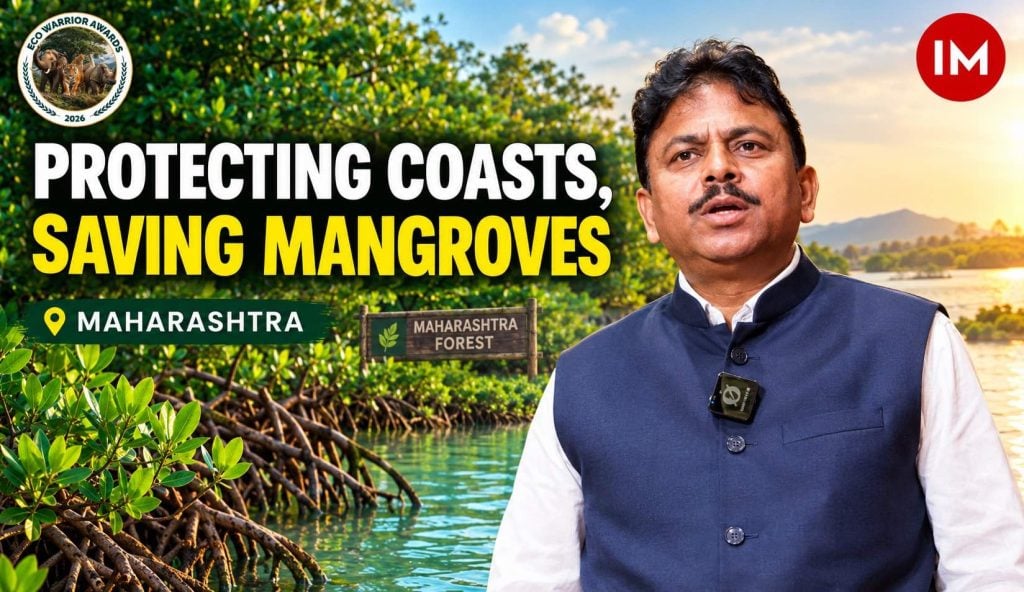
Mangroves are among India’s most important coastal ecosystems, protecting shorelines from erosion, supporting biodiversity and helping coastal communities withstand the growing impacts of climate change. Yet, conserving these fragile forests requires much more than plantation drives. It calls for clear administrative responsibility, effective enforcement, technology-driven monitoring and, most importantly, the participation of communities that live alongside these ecosystems.
In Maharashtra, 1998-batch Indian Forest Service (IFS) officer S. V. Ramarao has worked to bring these elements together. During his tenure as Additional Principal Chief Conservator of Forests (APCCF), Mangrove Cell, he played a key role in bringing 15,598 hectares of mangrove land under the Forest Department for better protection, while restructuring the administrative framework through dedicated North and South Konkan territorial divisions.
His tenure also saw the introduction of the Mangrove Suraksha App, a public transparency portal for mangrove plantations, revival of important mangrove parks and plantation activity across 736 hectares in six coastal districts. At the community level, 281 Co-Management Committees involving more than 6,000 beneficiaries were strengthened.
For Ramarao, however, mangrove conservation is not simply about protecting trees. It is about strengthening coastal resilience while creating opportunities for the people who depend on these landscapes.
Indian Masterminds interacted with Mr. Ramarao, APCCF & Nodal Officer, Nagpur, to understand his initiatives and their wider impact.
How It Started: Conservation for Coastal Resilience
IFS Ramarao’s work on mangrove conservation during the period 2023–2026 was guided by a larger objective — connecting ecosystem protection with coastal management and climate resilience.
Explaining the central idea behind the initiative, he said, “Conservation of mangroves for better coast management and for better climate resilience of the coastal communities.”
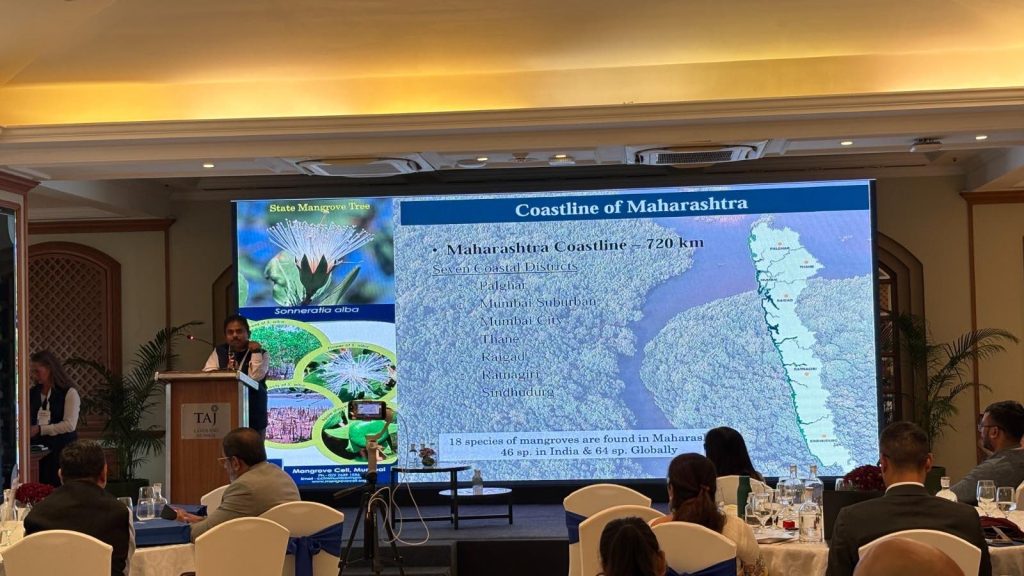
Maharashtra has a coastline stretching roughly 720 km, with more than 300 sq km of mangrove forests. Protecting this landscape involves coordination among multiple government departments, local communities and conservation agencies.
One of the major challenges was that considerable mangrove areas were under the control of departments other than the Forest Department. This created difficulties in ensuring uniform protection and conservation.
Ramarao and the Mangrove Cell therefore worked towards bringing these areas under the Forest Department’s administrative purview.
“We brought all the mangrove areas to our position and we started protecting them and conserving them,” he explained.
The transfer of 15,598 hectares of mangrove land consequently became one of the most significant institutional interventions during this period.
Restructuring Governance Across the Konkan
Protecting a large and geographically diverse coastal ecosystem also required a stronger field-level administrative structure.
Under Ramarao’s leadership, mangrove governance was reorganised through the creation of two dedicated territorial divisions — North Konkan and South Konkan.
The restructuring was aimed at giving mangrove protection greater administrative focus and enabling conservation activities to be managed more effectively on the ground.
This institutional reform complemented the transfer of mangrove lands and helped establish clearer responsibility for protection, monitoring and restoration.
Rather than treating mangrove conservation as an isolated environmental programme, the approach sought to integrate it into the regular administrative and field-level conservation system.
Technology Enters Mangrove Protection
A major component of Ramarao’s approach was the use of technology to improve transparency and enforcement.
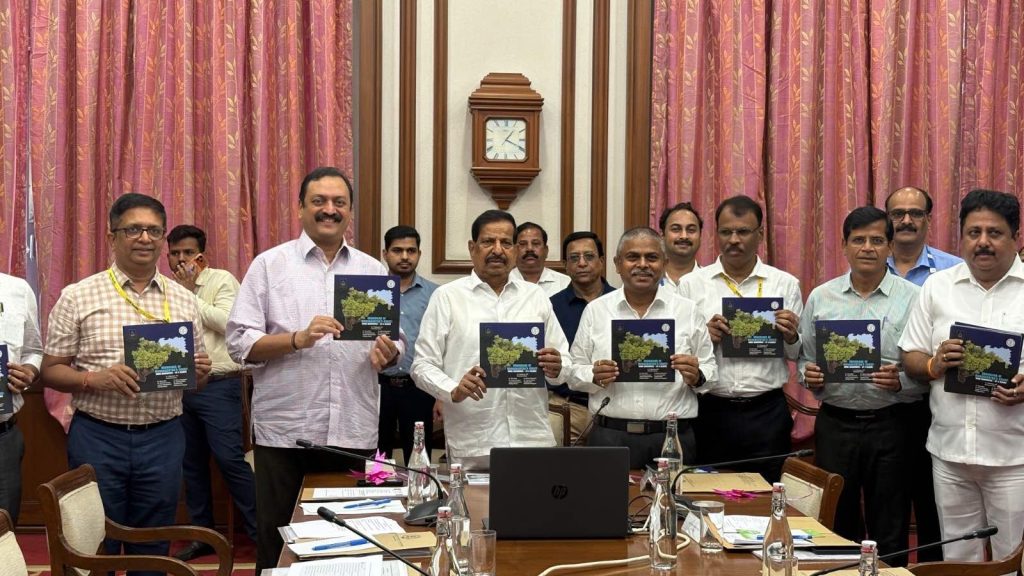
The Mangrove Suraksha App was introduced as a mechanism through which citizens and field personnel could report mangrove-related violations and encroachments. By enabling quicker reporting and tracking, the platform sought to bridge the gap between a violation occurring on the ground and administrative action.
Technology was also used to bring greater transparency to plantation activities through a public mangrove plantation transparency portal.
The idea was straightforward: conservation becomes stronger when citizens are not merely observers but can participate in monitoring and accountability.
Alongside these digital interventions, long-pending conservation infrastructure projects were also taken forward. The Gorai Mangrove Park was completed, while the Dahisar Mangrove Park project was revived.
From Plantation to Wider Ecosystem Restoration
Mangrove restoration was another important component of the programme.
During Ramarao’s tenure, plantation activities were undertaken across 736 hectares in six coastal districts. But the approach extended beyond simply increasing plantation numbers.
The larger objective was to create healthier mangrove ecosystems while strengthening awareness about their ecological and climate-related importance.
For Ramarao, conservation also needs to create a relationship between people and the ecosystem.
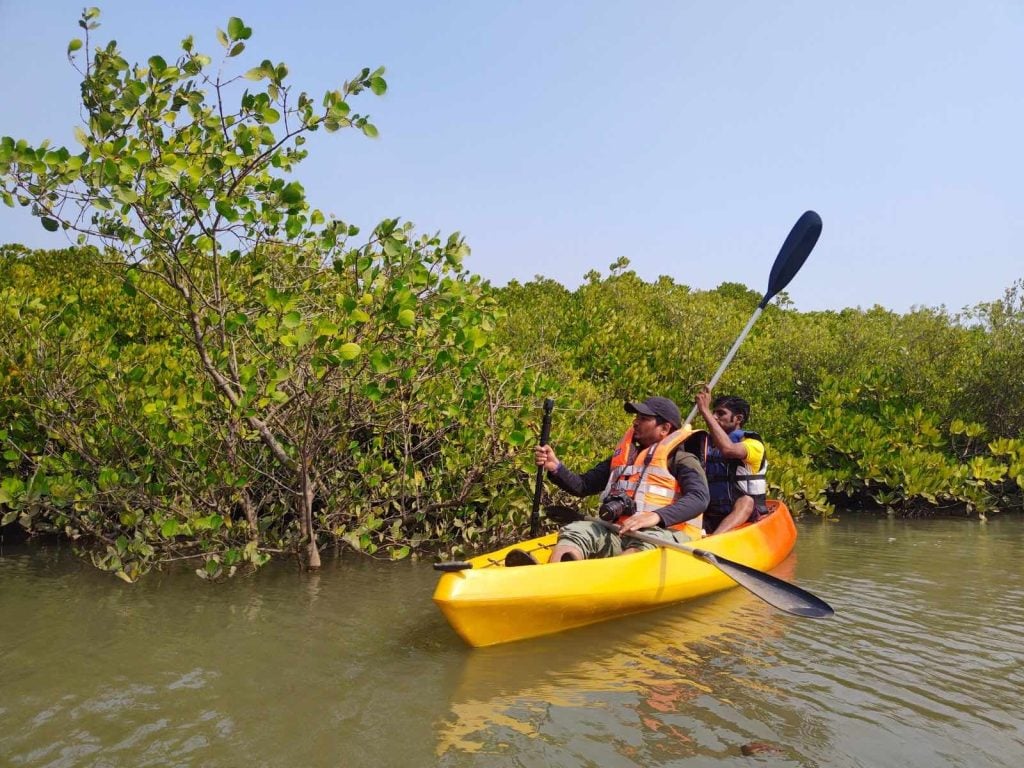
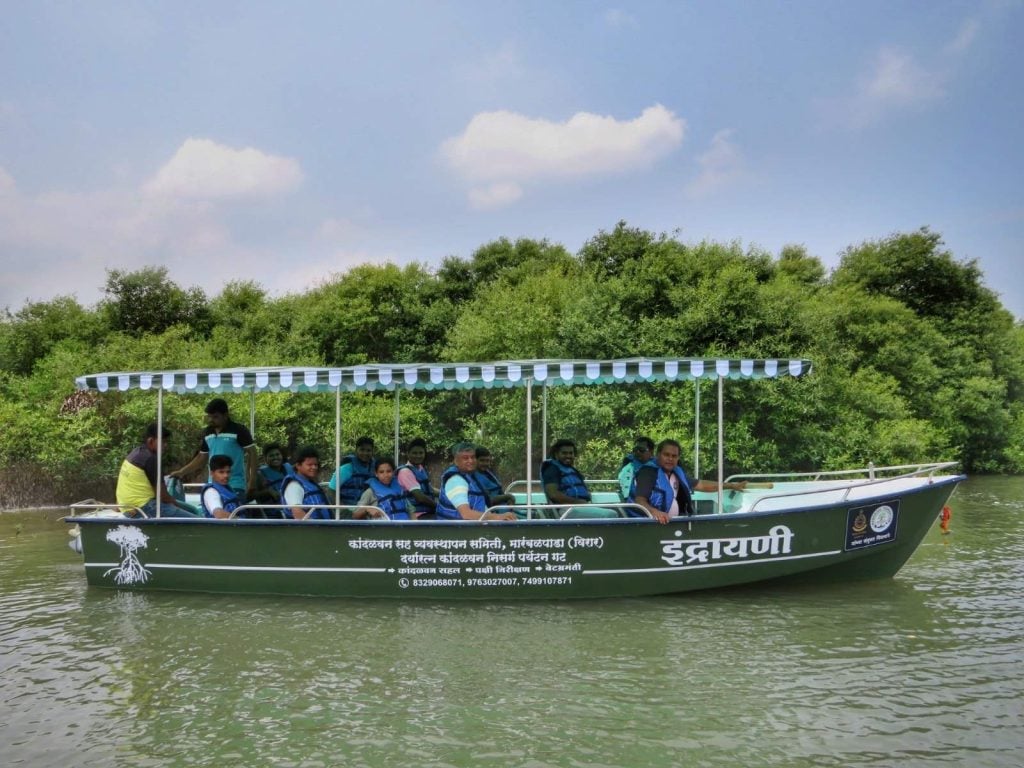
This is where mangrove ecotourism became an important component of the strategy.
“We started protecting them and conserving them and giving weightage to the mangrove ecotourism,” he said.
According to him, ecotourism serves two purposes – creating awareness about mangroves and generating livelihood opportunities for local communities.
Communities at the Centre
One of the defining aspects of the initiative has been the attempt to make local communities stakeholders in conservation rather than treating them merely as beneficiaries.
A total of 281 Co-Management Committees, involving more than 6,000 beneficiaries, were strengthened under the programme.
These community structures provide a platform for local participation in conservation and help connect ecological protection with livelihood opportunities.
Ramarao highlighted the employment dimension of the initiative, saying that approximately 5,000 people benefited through livelihood opportunities associated with the broader mangrove conservation and ecotourism efforts.
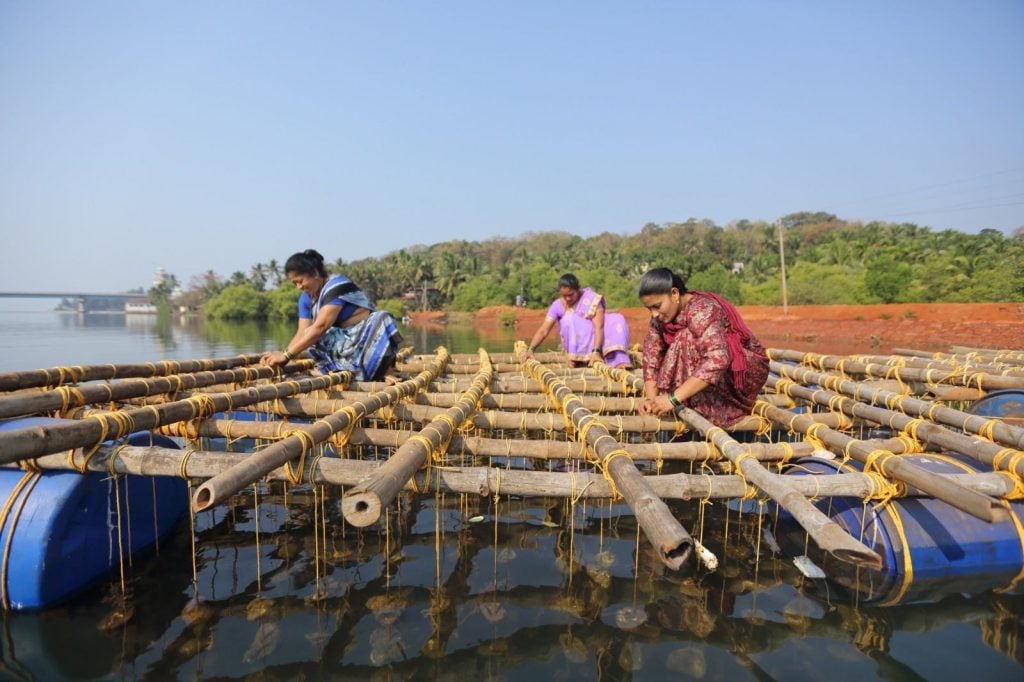
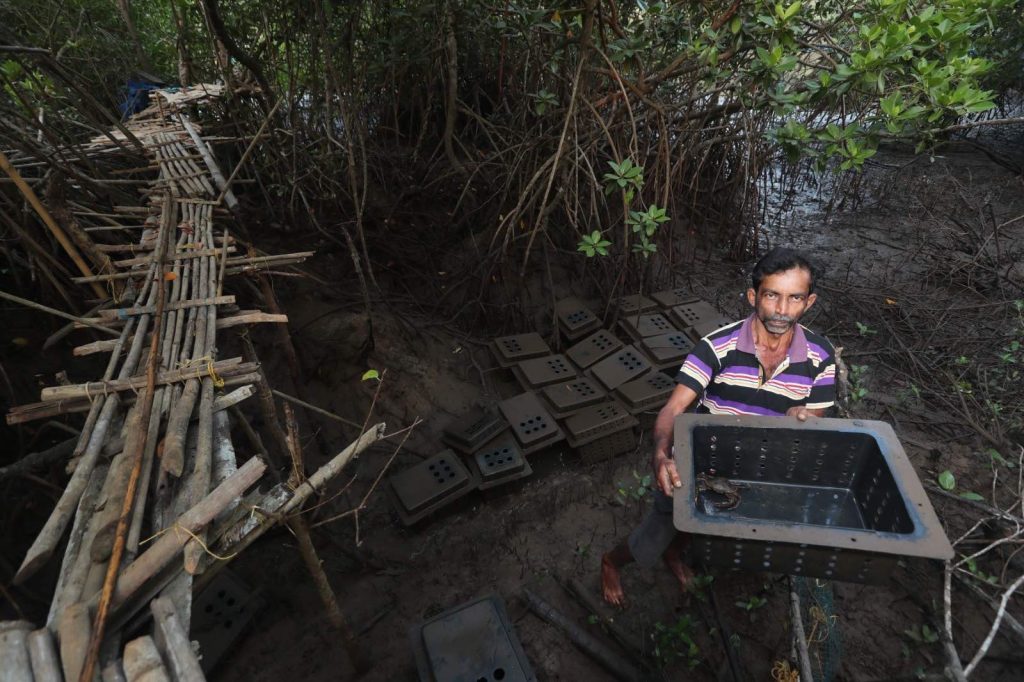
The approach also included encouraging sustainable livelihood activities such as crab farming, shrimp cultivation and fish breeding in suitable intertidal areas.
Mangrove Conservation Meets Ecotourism
For coastal communities, conservation becomes more sustainable when protecting an ecosystem also provides economic opportunities.
The Mangrove Cell and Mangrove Foundation have therefore worked towards developing ecotourism centres and conservation experiences that can bring people closer to mangrove ecosystems.
The approach has also included work around important coastal biodiversity destinations such as the Thane Creek Flamingo Sanctuary.
By linking conservation, awareness and livelihoods, the model attempts to demonstrate that ecological protection and economic development do not necessarily have to operate in isolation.
Science, Research and Biodiversity
The conservation programme also incorporates scientific research and collaboration.
The Mangrove Foundation, which functions as the research and implementation arm associated with the Mangrove Cell, brings together experts in marine science, wildlife and mangrove ecosystems.
Research support has been directed towards areas such as marine biology, carbon sequestration and coastal climate resilience.
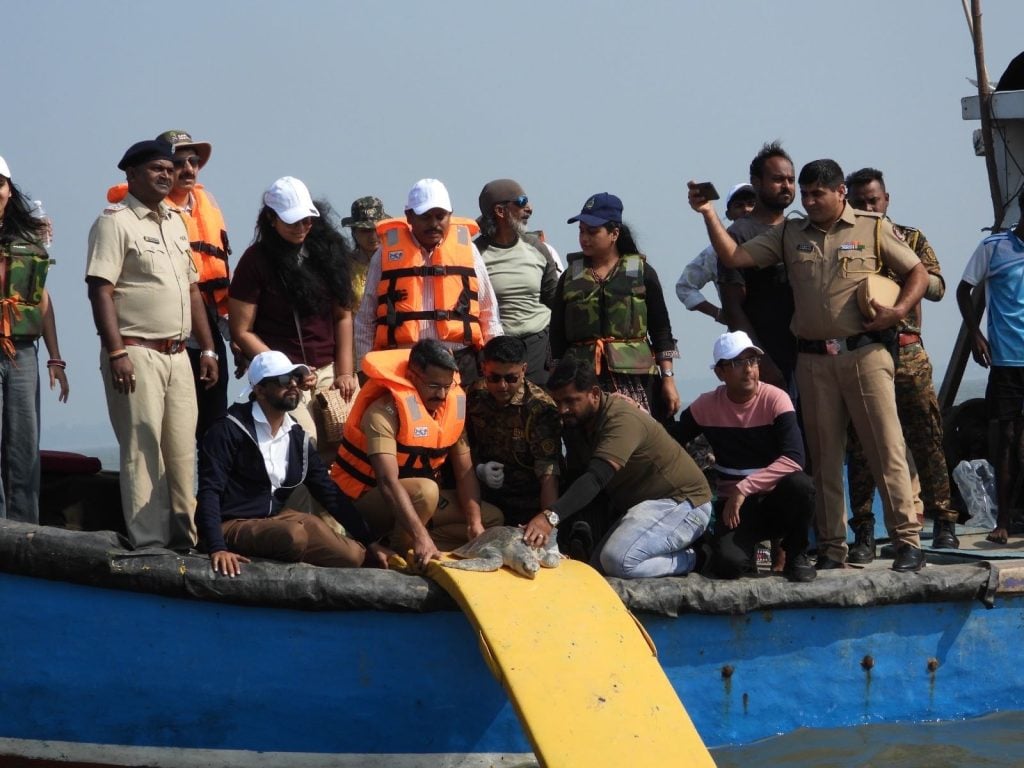
A notable biodiversity initiative was the satellite-tagging of a rescued sea turtle, which subsequently crossed the Arabian Sea. Such interventions provide valuable scientific information about marine species and their movement patterns while also highlighting the interconnected nature of coastal ecosystems.
A People-Centred Model of Conservation
The larger lesson from Ramarao’s tenure is that mangrove conservation cannot depend on a single intervention.
Land protection, institutional restructuring, digital monitoring, plantation, scientific research, ecotourism and community participation have to work together.
His approach has attempted to establish exactly this convergence – placing mangrove conservation within a broader framework of coastal resilience, climate regulation, biodiversity protection and livelihood creation.
As Ramarao puts it, the objective is ultimately to protect mangroves while ensuring that coastal communities benefit from their conservation.
From securing thousands of hectares of mangrove land to creating mechanisms for citizens to report violations, from strengthening community institutions to generating livelihood opportunities, the initiatives demonstrate how administrative leadership can translate environmental objectives into measurable action.
For Maharashtra’s mangroves, the effort represents more than plantation or protection. It is an attempt to build a system in which institutions, technology, science and communities work together to keep the coastline resilient for the future.