Raigarh (Chhattisgarh): In a significant step towards strengthening wildlife conservation and tackling the growing challenges of human-elephant interactions, the Chhattisgarh Forest and Climate Change Department has successfully concluded a two-day specialized training programme focused on scientific investigation of elephant deaths.
The workshop, titled “Learning from Dead — Essentials for Mortality Investigation of Asian Elephant,” was organized in Raigarh and brought together 78 forest officers and veterinary professionals from across the state. Conducted around World Environment Day, the initiative aimed at equipping frontline personnel with advanced forensic, veterinary, and investigative skills to handle elephant mortality cases more effectively.
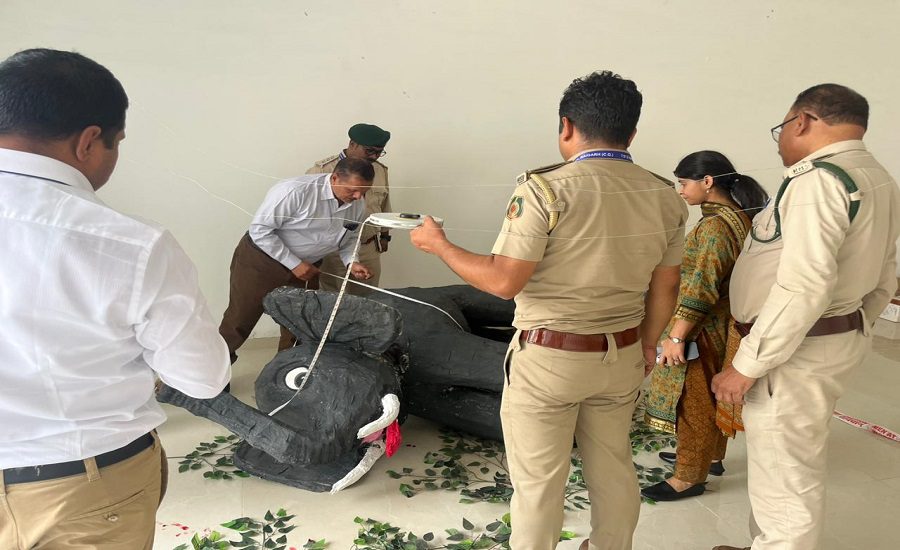
The training emphasized treating wildlife deaths not merely as routine incidents but as potential crime scenes requiring scientific examination, evidence preservation, and comprehensive medical investigation.
Why Scientific Investigation of Elephant Deaths Matters
Chhattisgarh is home to an estimated 450 wild elephants, with herds increasingly moving across districts such as Raigarh, Jashpur, Korba, and Surajpur. As human-elephant interactions continue to rise, the state has witnessed an increase in wildlife emergencies, including accidental deaths, electrocution, poisoning, disease outbreaks, and human-wildlife conflict incidents.
Forest officials highlighted that determining the exact cause of an elephant’s death is critical for conservation planning and law enforcement.
Whether the cause is a disease such as Elephant Endotheliotropic Herpesvirus (EEHV) or human-induced factors like electrocution, poisoning, or poaching, scientific investigation enables authorities to prevent future incidents and build strong legal cases against offenders.
State Leadership Drives Initiative
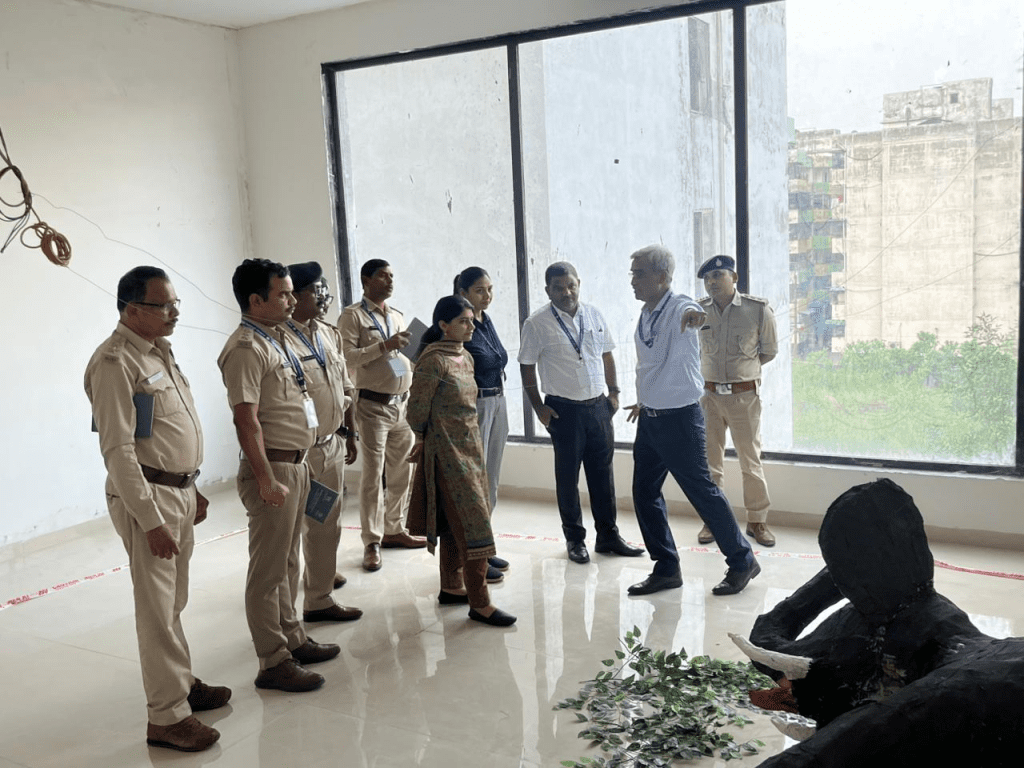
The programme was launched under the guidance of Forest Minister Kedar Kashyap and supervised by Principal Chief Conservator of Forests (PCCF) Arun Pandey. The field-level implementation was coordinated by Additional Principal Chief Conservator of Forests (Wildlife) Matheshwaran V.
To ensure high-quality training, the department invited leading experts from premier wildlife and veterinary institutions, including:
- Wildlife Institute of India (WII)
- Indian Veterinary Research Institute (IVRI)
- School of Wildlife Forensic Health (SWFH)
The experts conducted both classroom and field-based sessions covering various aspects of elephant health, forensic science, crime investigation, and wildlife pathology.
Understanding Elephant Anatomy and Health
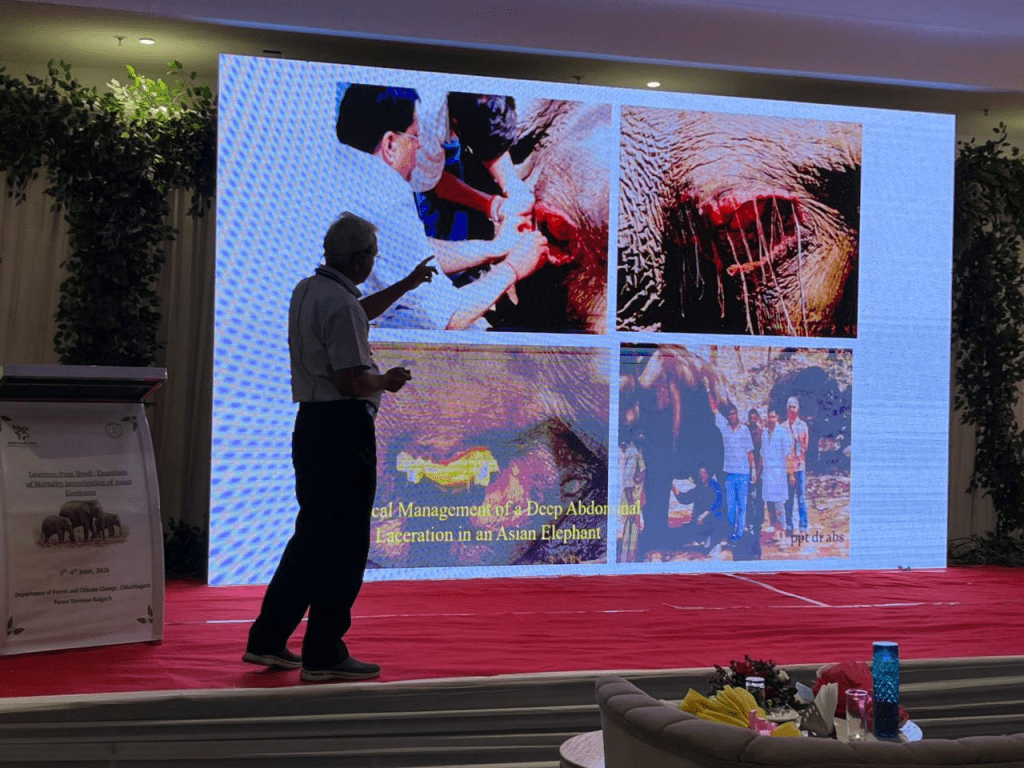
The first day of the workshop focused on understanding the biology and anatomy of Asian elephants.
Experts explained the complex internal structure of elephants and highlighted how anatomical knowledge becomes essential while conducting necropsies and investigating causes of death.
Veterinarians and wildlife specialists also discussed:
- Captive elephant management practices
- Health monitoring techniques
- Behavioural assessment
- Rescue and rehabilitation protocols
- Disease surveillance mechanisms
Officials noted that understanding a living elephant’s health and behaviour is crucial for correctly interpreting mortality cases.
Treating Every Wildlife Death as a Potential Crime Scene
One of the major themes of the workshop was wildlife crime investigation.
Participants were trained to approach elephant deaths as potential criminal cases rather than merely natural mortality incidents.
Training modules covered:
- Crime scene preservation
- Evidence collection techniques
- Identification of poisoning indicators
- Detection of trap injuries and electrocution marks
- Investigation procedures for poaching-related incidents
- Documentation and suspect management
Experts stressed that improper handling of wildlife death scenes can result in loss of crucial evidence and weaken prosecution efforts.
Focus on Wildlife Forensics and Legal Procedures
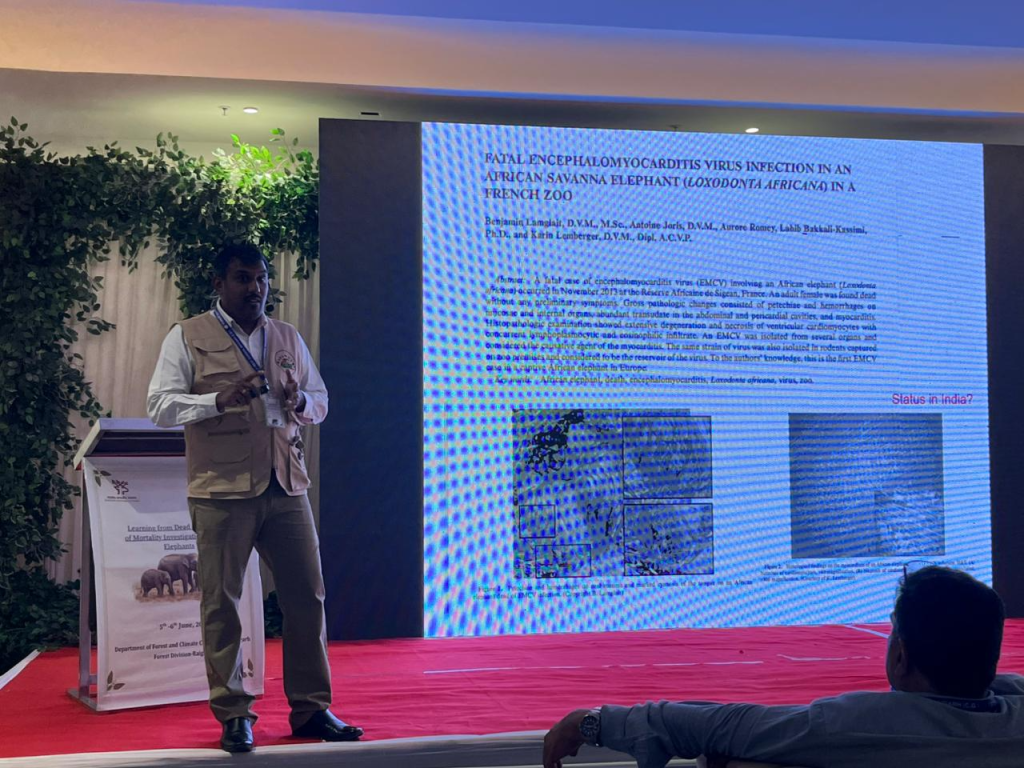
The workshop also included extensive sessions on wildlife forensics and veterinary legal procedures.
Wildlife experts Dr. Parag Nigam and Dr. C.P. Sharma from WII trained participants on:
- Establishing chain of custody for evidence
- Collection and preservation of forensic samples
- Documentation standards for legal proceedings
- Investigation protocols in ivory trafficking cases
- Court-admissible evidence handling procedures
The sessions aimed to strengthen the ability of forest personnel to support successful prosecution in wildlife crime cases.
Hands-On Field Training in Necropsy Procedures
The second day of the programme focused on practical field exercises.
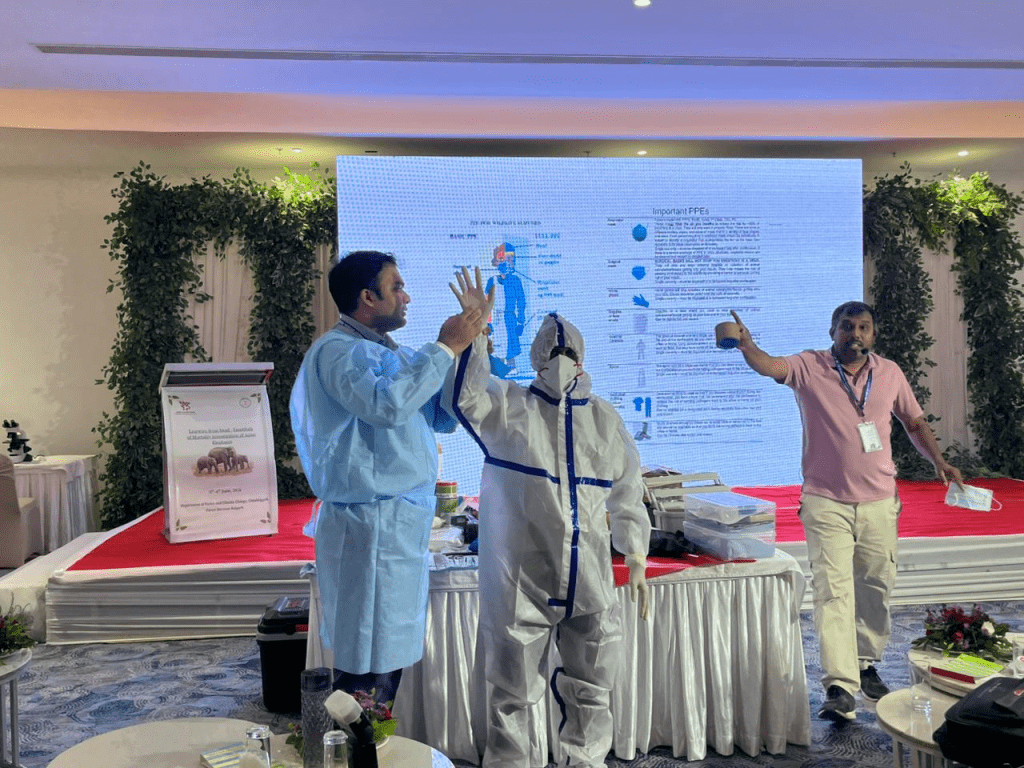
Participants received hands-on training in conducting elephant necropsies under challenging field conditions.
The practical sessions included:
- Safe use of chainsaws and cutting equipment
- Carcass examination techniques
- Collection of tissue and blood samples
- Histopathological sampling
- Toxicology testing procedures
- Cold-chain management during transportation of samples
Officials said these skills are crucial for obtaining accurate scientific evidence and identifying causes of mortality.
Bridging the Gap Between Forest and Veterinary Departments
A major objective of the training programme was improving coordination between forest and veterinary personnel.
Historically, wildlife patrolling and veterinary investigations have often operated independently. The workshop sought to create an integrated approach where forest officers and veterinarians work together in real time.
Experts emphasized that wildlife conservation today requires:
- Shared field intelligence
- Joint disease surveillance
- Coordinated forensic investigations
- Rapid response mechanisms
- Integrated wildlife health monitoring
Senior officers, including Priyanka Pandey, Field Director of the Achanakmar Tiger Reserve, actively participated in the sessions alongside veterinary professionals.
Towards Science-Based Wildlife Conservation
Officials said the programme marks a shift from traditional wildlife mortality reporting to evidence-based conservation management.
By standardizing mortality investigation protocols and strengthening forensic capabilities among frontline staff, Chhattisgarh aims to improve disease surveillance, reduce wildlife crime, and enhance protection for its growing elephant population.
The workshop concluded with participants receiving a comprehensive framework for handling wildlife deaths through scientific investigation, forensic analysis, and coordinated field action.
Forest authorities expressed confidence that the initiative will strengthen conservation outcomes and help safeguard the state’s elephant population for future generations.
Read also: One-Day-Old Rhino Calf Video Goes Viral, IFS Officer Parveen Kaswan Shares Rare Wildlife Moment