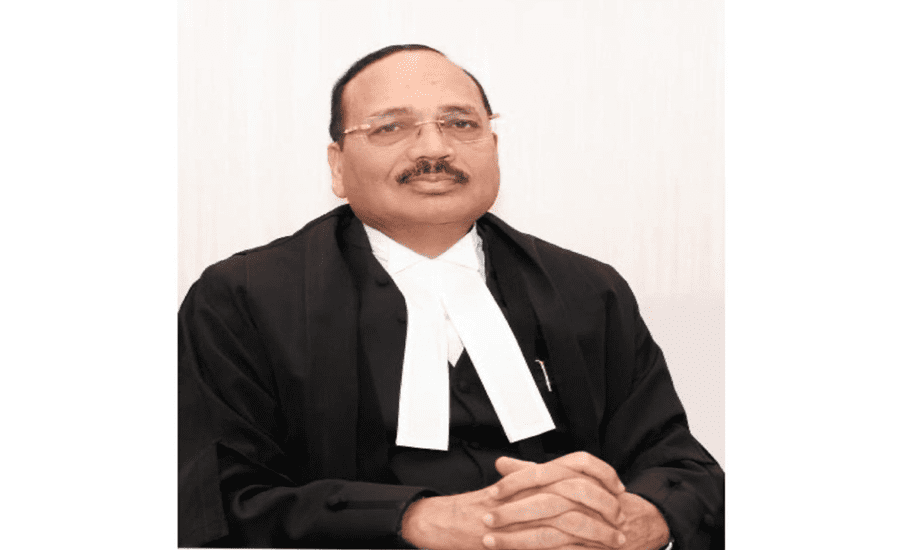
New Delhi: CJI Surya Kant idea for a national registry of retired judges is now at the centre of a major judicial reform idea aimed at improving India’s justice delivery system. The Chief Justice of India, Justice Surya Kant, has proposed creating a structured national database of retired judges who are willing to contribute to Alternative Dispute Resolution (ADR) and legal awareness initiatives.
The move is expected to reduce court burden and promote faster dispute resolution across the country.
Background of National Registry of Retired Judges
Speaking at a legal event, the CJI emphasized that judicial experience should not go unused after retirement. He famously remarked, “Once a judge is always a judge,” highlighting that retired judges remain valuable to the legal system.
He called for a formal and structured national registry where former judges can voluntarily register to contribute their expertise in various legal roles.
Why Does India Need A National Registry of Retired Judges?
The proposal aims to address two major challenges:
1. Rising Pendency Of Cases
India’s courts face a heavy backlog of cases. By involving retired judges in ADR mechanisms like mediation and arbitration, disputes can be resolved faster outside traditional courts.
2. Underutilised Judicial Expertise
CJI Surya Kant described retired judges as a “valuable national resource” whose knowledge should continue to benefit society even after retirement.
What are the Features Of National Registry of Retired Judges
Structured National Registry
- A central database of retired judges willing to serve
- Transparent and organised engagement system
Institutional Collaboration
- Memoranda of Understanding (MoUs) between:
- Associations of retired judges
- State Legal Services Authorities
- High Courts
Service-Oriented Approach
The CJI stressed that this initiative should be seen as public service, not just post-retirement work.
What are the Roles Retired Judges Can Play According to the CJI
The Chief Justice outlined multiple areas where former judges can contribute:
- Mediators and arbitrators in commercial and family disputes
- Legal educators in schools, colleges, and rural areas
- Pre-litigation counsellors to reduce unnecessary court cases
- Mentors and trainers for young lawyers and mediators
Boost To ADR In India
ADR methods like mediation, arbitration, and conciliation are becoming increasingly important in India. CJI Surya Kant even suggested that ADR should not be seen as an “alternative” but as a mainstream system of justice delivery.
This proposal aligns with the broader push to build a “mediation culture” in India under legal reforms like the Mediation Act.
Impact On Legal Awareness
Beyond dispute resolution, the registry will also help:
- Spread legal awareness in rural and urban areas
- Strengthen public trust in the judiciary
- Improve access to justice for common citizens
This is especially important in a country where many people are still unaware of their legal rights.
Expert View: A Step Toward Judicial Reform
Legal experts believe that institutionalising the role of retired judges can:
- Reduce burden on courts
- Improve quality of dispute resolution
- Preserve judicial knowledge and experience
The move is seen as part of a larger effort to modernise India’s justice system and make it more efficient and accessible.
Read also: Explained: Why Justice Nagarathna’s Statement on Greedy Judges Is a Wake-Up Call for India