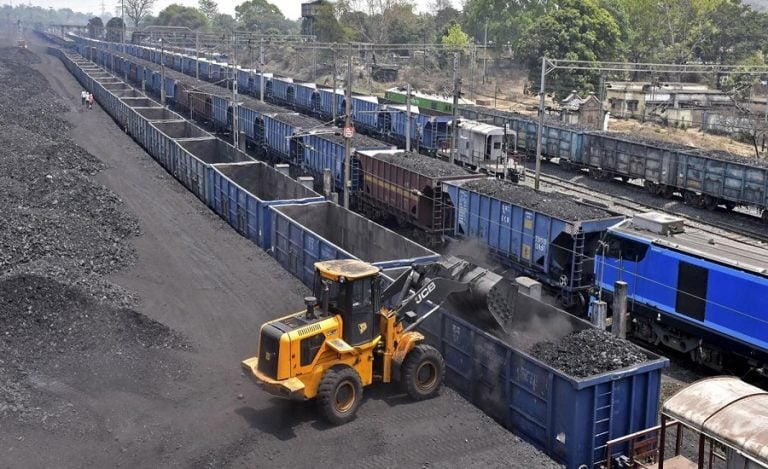
New Delhi: India has taken a major step towards clean coal use and energy independence with the approval of the Coal Gasification Scheme worth ₹37,500 crore. The Union Cabinet, chaired by Prime Minister Narendra Modi, approved the new scheme to promote surface coal and lignite gasification projects across the country. The main goal is to reduce India’s dependence on imported fuels and chemicals while increasing domestic production through coal gasification technology.
What is the Coal Gasification Scheme?
The new scheme aims to convert coal and lignite into syngas (synthetic gas). This gas can be used to produce:
- Methanol
- Ammonia
- Urea
- Synthetic Natural Gas (SNG)
- Chemicals and fuels
Read also: Ministry Of Coal Alignment with the Idea of Net Zero Carbon Emission – Panchamrit
The government wants to gasify nearly 75 million tonnes of coal/lignite under this scheme. India has also set a national target of gasifying 100 million tonnes of coal by 2030.
Key Highlights of the Coal Gasification Scheme
Financial Support
- Total outlay: ₹37,500 crore
- Incentive up to 20% of plant and machinery cost
- Funds will be released in 4 stages linked to project progress
- Maximum incentive per project: ₹5,000 crore
- Maximum support per entity group: ₹12,000 crore
Long-Term Coal Linkage
The government has extended coal linkage tenure up to 30 years under the Non-Regulated Sector framework. This will provide long-term policy stability for investors and industries.
Why is Coal Gasification Scheme Important?
Reduce Import Dependence
India imports large amounts of:
- LNG
- Methanol
- Ammonia
- Urea
The government says domestic coal gasification can help reduce these imports and save foreign exchange.
Strengthen Energy Security
Global fuel prices and geopolitical tensions have increased concerns over energy security. The scheme aims to make India more self-reliant under the Atmanirbhar Bharat initiative.
Boost Investment and Jobs
The government expects:
- Investment worth ₹2.5 lakh crore to ₹3 lakh crore
- Around 50,000 direct and indirect jobs
- Growth in coal-bearing regions and industrial areas
India’s Coal Reserves and Future Plans
India has one of the world’s largest coal reserves:
- Around 401 billion tonnes of coal
- Around 47 billion tonnes of lignite
Coal currently contributes more than 55% of India’s energy mix. The government believes coal gasification can help use these resources more efficiently and create value-added products domestically.
How Coal Gasification Works
Coal gasification converts coal into a cleaner-burning gas called syngas. This gas can then be used in:
- Fertilizer production
- Power generation
- Petrochemicals
- Hydrogen production
- Industrial fuel applications
Compared to traditional coal burning, gasification is considered a cleaner and more efficient use of coal resources.
Government’s Bigger Vision
The new approval builds on earlier efforts under the National Coal Gasification Mission 2021 and the earlier ₹8,500 crore incentive scheme announced in 2024. According to the Ministry of Coal, several projects are already under implementation.
Read also: Ministry of Coal Unveils New Incentives to Supercharge Underground Mining in India