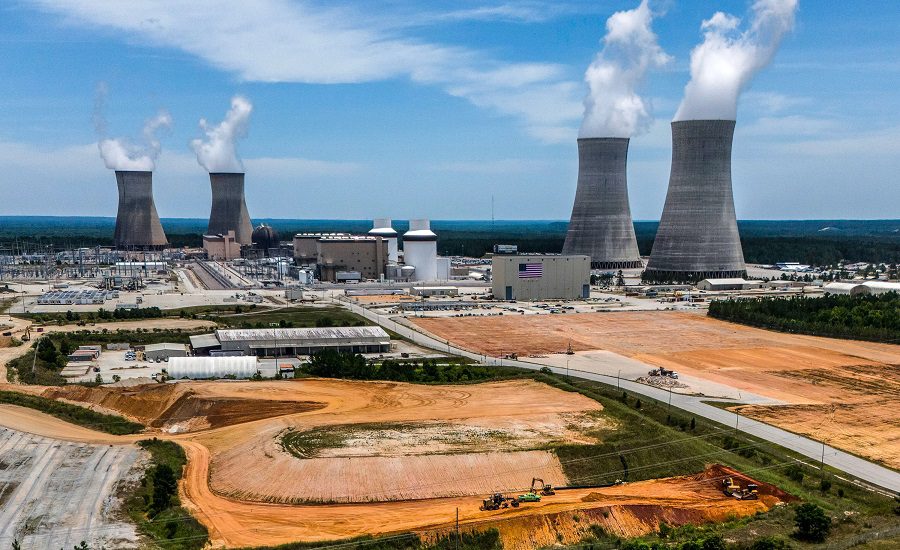
New Delhi: The Kudankulam Unit-5 reactor pressure vessel installation marks a major step forward in India’s nuclear energy expansion. The Nuclear Power Corporation of India Limited (NPCIL) successfully installed the massive Reactor Pressure Vessel (RPV) at Unit-5 of the Kudankulam Nuclear Power Project (KKNPP) in Tamil Nadu, highlighting the growing India-Russia nuclear partnership and progress toward cleaner energy generation.
The achievement came after the Atomic Energy Regulatory Board (AERB) granted approval for the installation of major equipment at Units 5 and 6.
Details of Kudankulam Unit-5 Reactor
NPCIL announced that the Reactor Pressure Vessel (RPV) was successfully erected inside the reactor building of Unit-5. The vessel weighs around 320 tonnes and is considered one of the most important components of a nuclear reactor. It contains the reactor core, where nuclear fission takes place to generate heat and eventually produce electricity.
Read also: India Moves Closer to Energy Independence as AERB Clears Kudankulam Units 5 & 6 Installation Phase
According to NPCIL, the installation represents a major construction milestone and opens the way for the installation of additional nuclear island equipment.
Kudankulam Unit-5 Reactor: AERB Approval Cleared the Way
The Atomic Energy Regulatory Board had granted permission for major equipment erection at Kudankulam Units 5 and 6 after detailed safety reviews. The approval covered installation of key equipment such as:
- Reactor Pressure Vessel
- Steam Generators
- Coolant Pumps
This clearance allowed construction teams to begin the next phase of reactor assembly.
Why Is the Reactor Pressure Vessel Important?
The Reactor Pressure Vessel can be described as the “heart” of a nuclear power plant. Its key functions include:
- Housing the reactor core
- Supporting the nuclear fission process
- Maintaining high-pressure conditions safely
- Enabling heat generation for electricity production
Without the RPV, the reactor cannot operate. This makes its installation one of the most critical stages in nuclear reactor construction.
India-Russia Cooperation Behind the Kudankulam Unit-5 Reactor Project
The Kudankulam Nuclear Power Project is one of the largest examples of India-Russia civil nuclear cooperation. NPCIL highlighted the close collaboration with Russia’s Atomstroyexport (ASE), a subsidiary of Rosatom, in achieving this milestone. The project continues to demonstrate the long-term strategic partnership between the two countries in the energy sector.
Russian President Vladimir Putin recently emphasized the importance of nuclear energy cooperation with India and referenced ongoing work at the Kudankulam Nuclear Power Plant.
Kudankulam’s Growing Role in India’s Clean Energy Future
Kudankulam currently operates two 1,000 MW nuclear reactors. Units 3, 4, 5, and 6 are under various stages of construction. Once all six units become operational, the plant is expected to reach a total installed capacity of 6,000 MW, making it India’s largest nuclear power station.
NPCIL stated that the two operational units have already generated nearly 130 billion units of electricity, helping reduce carbon emissions while supplying reliable power.