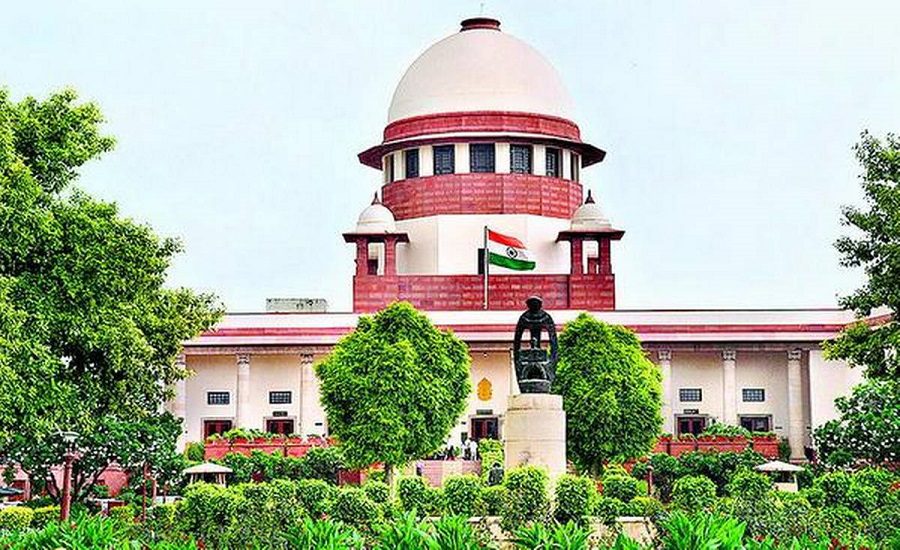
New Delhi: The Supreme Court death penalty guidelines have brought a major change in how capital punishment cases will be handled across India.
In a significant move, the Supreme Court of India has directed that senior advocates must represent death row convicts to ensure fair trials and proper legal assistance.
These directions aim to address serious gaps in earlier cases, especially the lack of proper evaluation of mitigating circumstances. The ruling came in the case of Aman Singh @ Anr v. State of Bihar and is expected to impact all ongoing and future death penalty trials in the country.
Background of the Supreme Court Death Penalty Guidelines
The Court observed that trial courts often failed to properly assess mitigating factors before awarding the death penalty.
Read also: Big Relief for Young Lawyers: Supreme Court Allows Newly Qualified AORs to Vote in Key Elections
Mitigating circumstances include:
- Mental health condition of the accused
- Socio-economic background
- Possibility of reform and rehabilitation
- Age and personal history
The judges noted that in many cases, convicts did not receive meaningful legal representation, which is a serious concern for fair trial standards.
Supreme Court Death Penalty Guidelines: Key Directions
1. Mandatory Representation by Senior Advocates
The Court directed that experienced senior advocates must represent death row convicts.
This ensures:
- Better legal arguments
- Proper presentation of mitigating factors
- Fair hearing before awarding capital punishment
2. Comprehensive Mitigation Investigation
Trial courts must now ensure a detailed investigation into mitigating circumstances before deciding punishment.
This includes:
- Psychological evaluation reports
- Social background reports
- Expert opinions
3. Pre-Sentencing Hearing Must Be Meaningful
The Court stressed that pre-sentencing hearings should not be a formality.
Judges must:
- Give enough time to the defense
- Carefully consider all reports
- Record clear reasons before awarding death penalty
4. Role of State and Legal Aid Authorities
The ruling also places responsibility on:
- State governments
- Legal Services Authorities
They must ensure:
- Availability of qualified lawyers
- Timely preparation of mitigation reports
- Access to experts like psychologists and social workers
What the Court Said
The Supreme Court clearly stated that capital punishment requires the highest level of judicial care.
It highlighted that:
- Death penalty cases involve irreversible consequences
- Any mistake can lead to miscarriage of justice
- Courts must follow the “rarest of rare” doctrine strictly