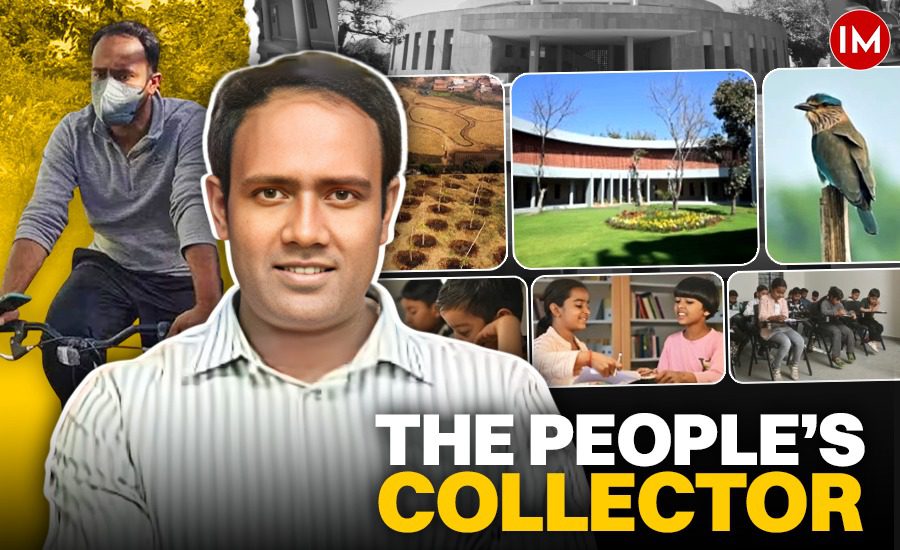
In an administrative landscape often criticized for red tape and distance from the common citizen, IAS officer Sandeep G.R. stands out as a refreshing exception – an officer who believes governance must be seen, felt, and experienced on the ground. Known widely as the “Cycle-Wale Collector,” his journey is not just about holding positions of power, but about transforming them into instruments of change.
From cycling through dusty village roads to holding late-night village chaupals, from simplifying bureaucratic hurdles for grieving families to planting forests that feed both people and ecosystems – his work reflects a rare blend of empathy, discipline, and innovation. From his impactful grassroots initiatives in Sagar as Collector to his earlier administrative contributions in Jabalpur, his approach has consistently focused on people-centric and result-driven governance.
As he puts it: “Government schemes hold true significance only when they transcend paperwork and are implemented effectively on the ground.”
About the Officer: From Bengaluru to Bundelkhand
Mr Sandeep, a 2013-batch IAS officer of the Madhya Pradesh cadre, currently serves as the Labour Commissioner, Indore (since April 10, 2026). Born on December 14, 1983, in Bengaluru, Karnataka, he holds a B.E. in Computer Science (from Visvesvaraya Technological University) and an M.A. in Public Administration from IGNOU.
His journey to the IAS was marked by persistence – after initially joining the Indian Revenue Service (IRS), he cleared the UPSC examination again in his fourth attempt to join the IAS.
Read Also: From Screens to Stories: How Rajasthan’s First Park Library Is Helping a District Rediscover Reading

Over the years, he has held several key positions:
- Assistant Collector in Jabalpur
- CEO, Zila Panchayat (Ujjain and Sagar)
- Municipal Commissioner in Satna and Jabalpur
- Collector of Chhatarpur (from December 2021)
- Collector of Sagar (August 2024 to April 2026)
Fluent in English, Hindi, and Kannada, he is known for his unconventional, people-centric approach to administration.
The “Cycle-Wale Collector”: Breaking Barriers Between People and Power
What truly sets IAS Sandeep apart is his distinctive working style. Rejecting the conventional display of authority, he often chose a bicycle over official vehicles for inspections and field visits.
This simple act carried a powerful message – removing the invisible barrier between administration and citizens.
He would:
- Walk through streets to understand ground realities
- Conduct surprise inspections in government offices
- Personally teach students during school visits
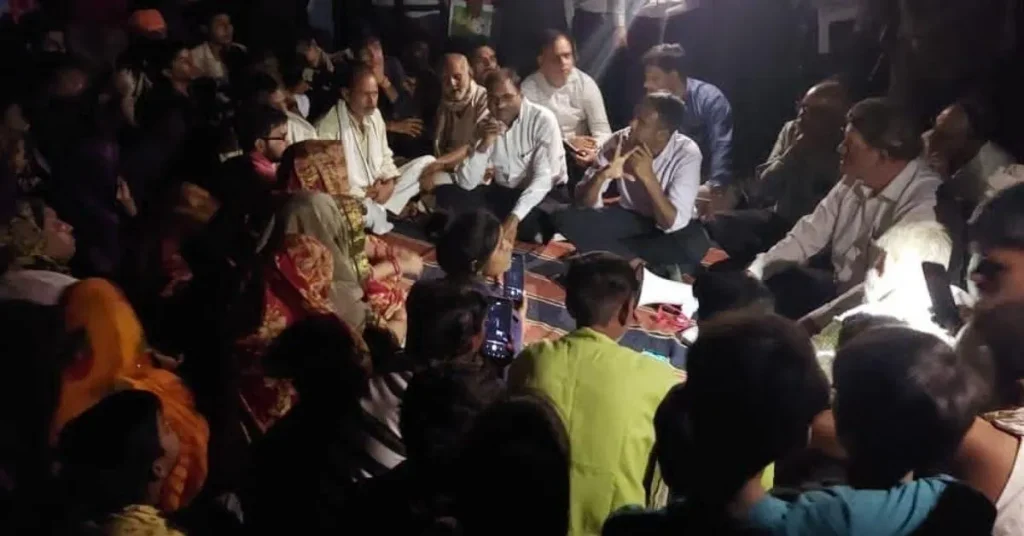
- Sit with villagers during late-night chaupals to resolve grievances
This hands-on approach not only ensured accountability but also built deep trust among the people.
Transformative Tenure in Sagar: A Model of Inclusive Development
Serving as the Collector of Sagar from August 2024 to April 2026, he led a series of impactful initiatives focusing on nutrition, education, environment, and governance.
His tenure earned praise from Chief Minister Dr. Mohan Yadav, eventually leading to his promotion as Additional Secretary.

Fruit Forest Revolution: Turning Barren Land into Sustainable Wealth
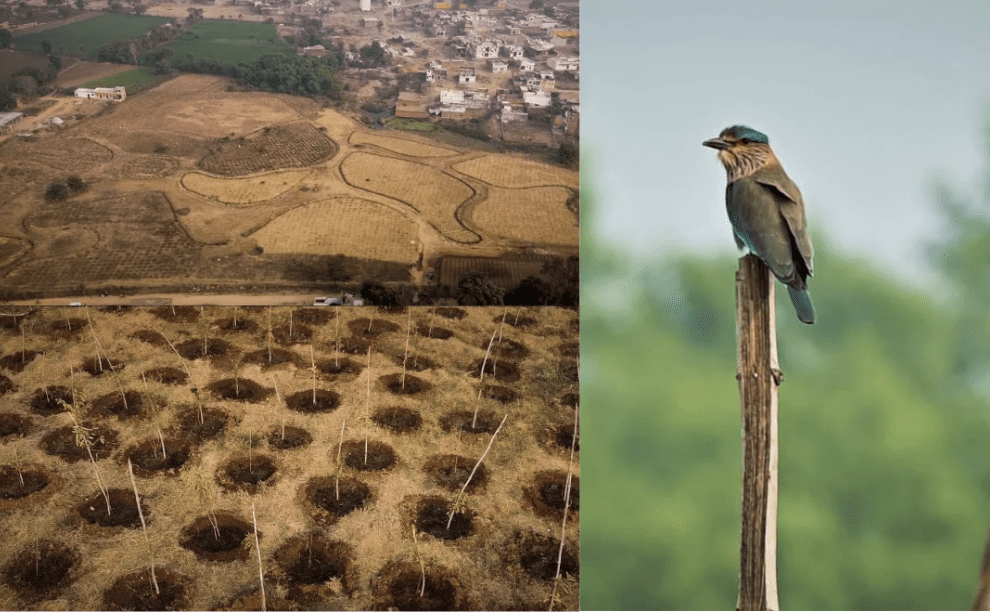
One of his most visionary initiatives is the Fruit Forest Project, which he expanded in Sagar after its success in Chhatarpur.
Instead of conventional plantations, he introduced a three-layer permaculture model:
- Canopy trees: Mango
- Mid-layer trees: Guava
- Shrubs: Lemon
Key features of the initiative:
- Encroached government land near water bodies was reclaimed and desilted
- Drip irrigation and fencing ensured high survival rates
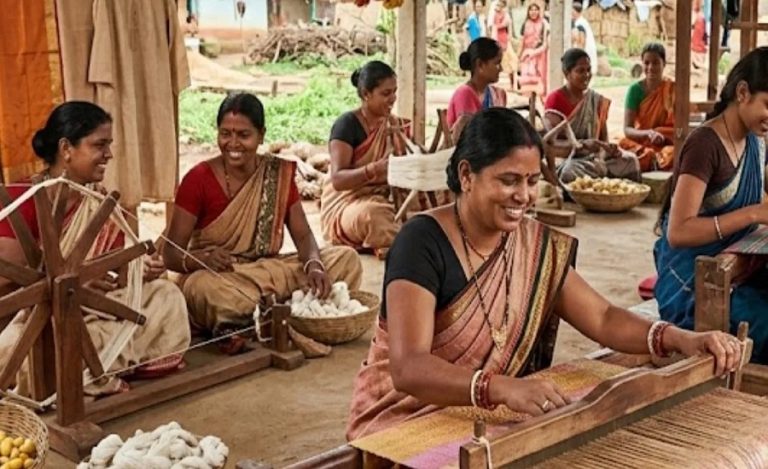
- Women Self-Help Groups cultivated vegetables between trees
- Around 5 lakh fruit trees planted, with a target of 10 lakh in three years
The initiative not only promotes environmental sustainability but also:
- Enhances nutrition
- Creates livelihood opportunities
- Boosts biodiversity (with migratory birds returning)
It even found mention in the Prime Minister’s Mann Ki Baat.
In his own words: “If the government is planting trees, why not plant fruit trees that can address nutrition, hunger, and livelihoods together?”
Looking ahead, the vision is to transform the region into a fruit processing hub, attracting industries like jam and ice-cream manufacturing.
Project Udaan: Empowering Dreams Through Education
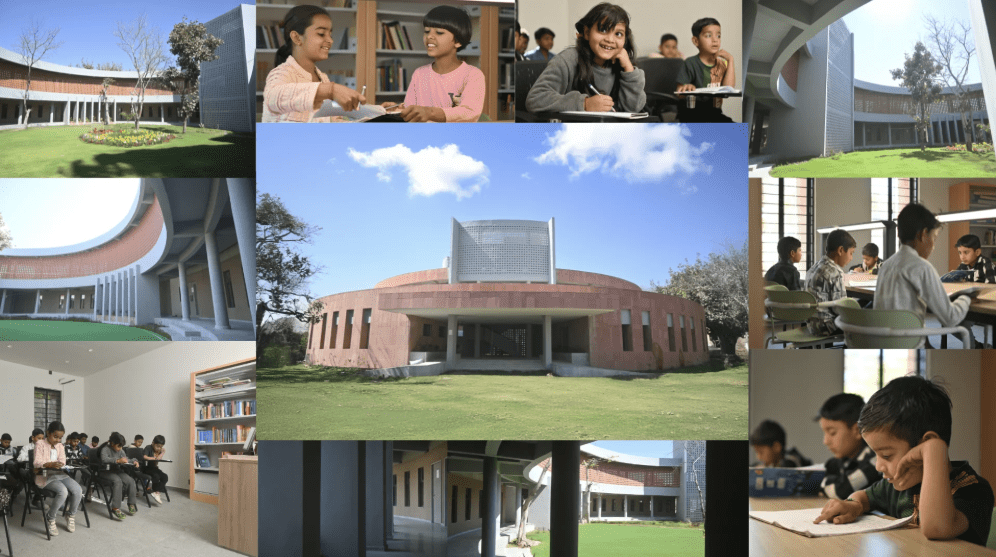
Understanding that education is the foundation of long-term change, he launched Project Udaan.
The initiative focuses on:
- Preparing students for competitive exams like IIT-JEE and NEET
- Supporting students from tribal hostels with limited resources
- Promoting non-traditional career paths
A major highlight was the development of a state-of-the-art public library in Bundelkhand, encouraging a culture of learning.
He explains his vision: “The most important building in a city should be a place where children come to learn and grow.”
Rangeen Roti Campaign: Fighting Malnutrition with Innovation
Addressing the critical issue of anaemia and maternal health, Sandeep introduced the Rangeen Roti Campaign.
Under this:
- Rotis are prepared using iron-rich ingredients like moringa, spinach, and beetroot
- The colour of the roti serves as a visual indicator of nutritional value
- Focus on improving haemoglobin levels among women and children
This simple yet effective idea made nutrition:
- Easy to monitor
- Culturally acceptable
- Scalable across communities
Project Shraddhanjali: Compassionate Governance in Action
Perhaps his most human-centric initiative, Project Shraddhanjali, redefined administrative empathy.
The project:
- Simplified the process of compassionate appointments
- Ensured families of deceased government employees received timely support
- Facilitated over 100 appointments within 8 months
He reflects: “It is a small but important way of showing respect to our employees by ensuring their families are taken care of.”
The success of the initiative has led to its consideration for replication in other districts.
Administrative Discipline: Zero Tolerance for Negligence
Known for his no-nonsense approach, Mr Sandeep ensured accountability through:
- Surprise inspections
- Strict action against negligent officials
- Real-time grievance redressal
His message was clear – governance must deliver, not delay.
In one notable case, he ensured a farmer received an insurance payout within a day despite legal delays, reinforcing public trust in the system.
Connecting with the Masses: Night Chaupals and Direct Dialogue
To bridge the gap between administration and citizens, he regularly held late-night chaupals in villages.
These gatherings allowed:
- Direct interaction with citizens
- Immediate resolution of grievances
- Greater transparency in governance
This approach helped him build a unique identity as a people’s officer.
Earlier Contributions: Jabalpur and Chhatarpur
Jabalpur: Laying the Foundation
As Assistant Collector in 2021, he led the plantation of 30,000 trees, including:
- Mango, Banana, Lemon, Jackfruit, Mulberry
Chhatarpur: Scaling the Vision
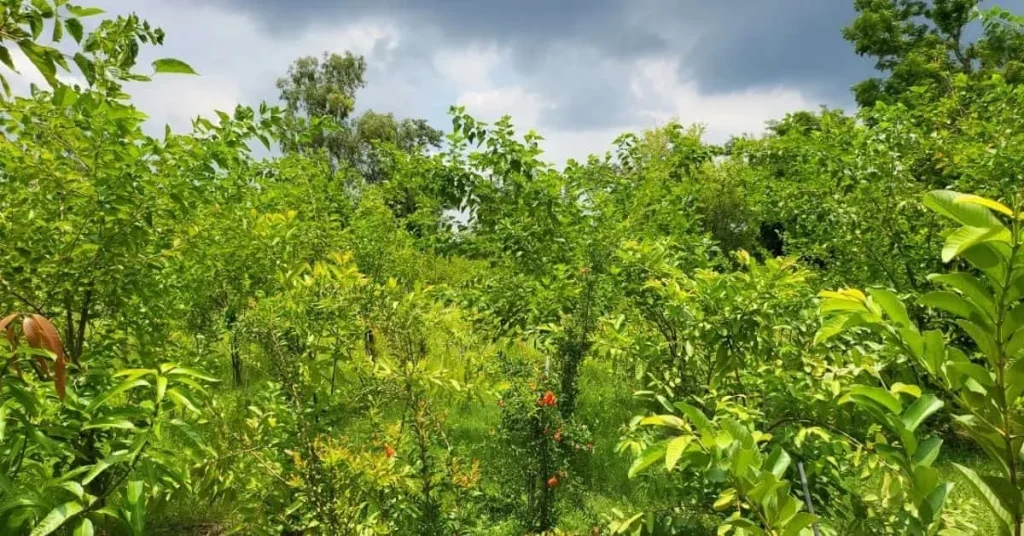
As Collector, he:
- Oversaw plantation of 40,000 trees across 11 acres
- Developed fruit-bearing ecosystems now yielding produce
These experiences laid the groundwork for the large-scale Fruit Forest initiative in Sagar.
Focus on Farmers, Women, and Youth
His governance model consistently prioritized:
- Farmers: Fair pricing through Bhavantar Yojana, strict action against stubble burning
- Women: Nutrition, safety, and empowerment initiatives
- Youth: Career guidance, model tests, and equal access to opportunities
A Legacy of Purpose-Driven Governance
Throughout his career, IAS Sandeep G.R. has demonstrated that true leadership lies not in authority, but in impact. Whether it is cycling through villages, planting forests that feed generations, or ensuring justice reaches the last mile – his work reflects a deep commitment to public service.
He is not just an administrator – he is a reformer, a problem-solver, and above all, a people’s officer.
As his journey continues in Indore as Labour Commissioner, one thing remains certain – his model of governance will continue to inspire a new generation of officers to lead with empathy, innovation, and courage.
Read Also: From Fear to Fearless: How IAS Bhagyashree’s ‘Veerangana’ Made Thousands of Girls Fearless in Dhule