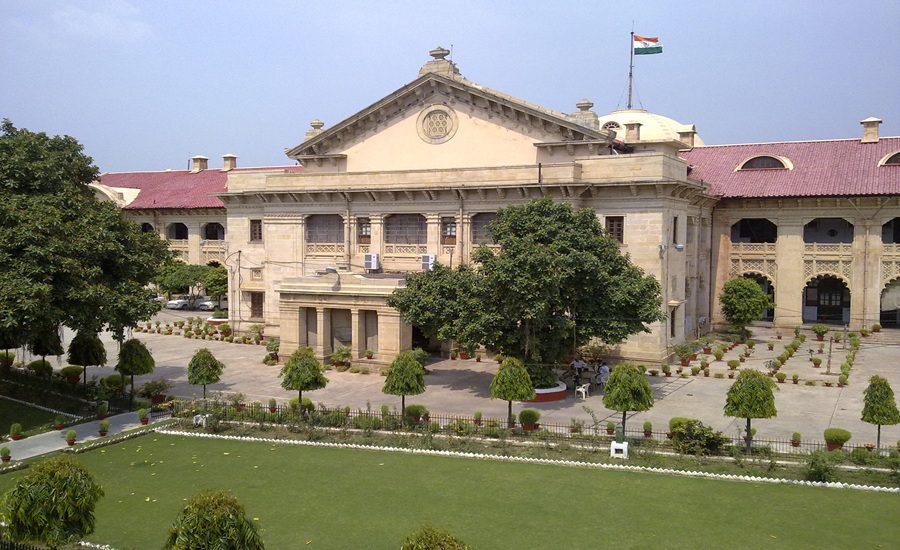
Lucknow: The UP Gangsters Act has come under sharp judicial scrutiny after the Allahabad High Court questioned procedural lapses by a district official. In a recent development, the court pulled up the Mirzapur District Magistrate for skipping a mandatory joint meeting required before approving a gang chart.
The court’s strong remarks highlight concerns over misuse and non-compliance with legal procedures under the law, raising serious questions about administrative accountability in Uttar Pradesh.
UP Gangsters Act Row: Court Criticises DM for Ignoring Legal Procedure
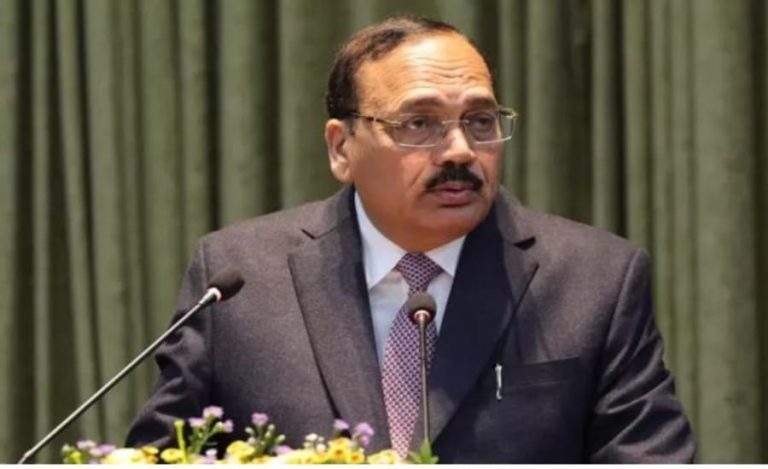
The Allahabad High Court strongly criticised the Mirzapur District Magistrate, Pawan Kumar Gangwar, for failing to attend a mandatory joint meeting required under the law.
Read also: Allahabad High Court Demands Explanation from SP for Calling Trial Court ‘Court Below’
A bench of Justices Justice JJ Munir and Justice Tarun Saxena observed that the officer appeared to “think small of the law” and showed disregard for legal obligations.
The court has now directed the DM to provide a personal explanation for his absence.
Why the Joint Meeting Is Mandatory
Under Rule 5(3)(a) of the UP Gangsters Rules, 2021, a joint meeting between the District Magistrate and the Superintendent of Police is compulsory before approving a gang chart.
This step is a legal prerequisite before registering an FIR under Section 3(1) of the Uttar Pradesh Gangsters and Anti-Social Activities (Prevention) Act, 1986.
The court emphasized that skipping this step makes the entire process legally questionable.
What Went Wrong in UP Gangsters Act Row
According to court records:
- The gang chart was approved on September 16, 2025 without the DM attending the joint meeting
- Only a local inspector was present with the DM
- Earlier discussions also did not include the DM in the required joint format
The court noted that such deviation from procedure could lead to waste of public time and resources, and may invalidate the prosecution.
UP Gangsters Act Row: Strong Observations by the Court
The bench made sharp remarks on administrative negligence, stating that:
- The officer treated the law as a “burdensome formality”
- His absence led to flawed legal proceedings
- The prosecution outcome appeared “almost foregone” due to procedural lapses
These comments reflect growing judicial concern over improper application of strict laws like the Gangsters Act.
Relief to the Petitioner
In the same case, the court granted interim relief to the petitioner, Bhagmani Devi, by staying her arrest under the Gangsters Act.
The matter is now scheduled for further hearing on April 30, 2026.
Larger Legal Context
The ruling adds to a series of observations by the Allahabad High Court regarding:
- Strict compliance with Gangsters Act procedures
- Prevention of misuse of stringent criminal laws
- Accountability of administrative authorities
Legal experts believe such interventions are crucial to protect personal liberty and due process.
Read also: UP Lawyers May Soon Get Medical Insurance As Allahabad High Court Registers Suo Motu PIL