Thiruvananthapuram: The Udayakumar custodial death case has once again come into focus as the Supreme Court issued a notice on the Central Bureau of Investigation’s (CBI) appeal challenging the acquittal of Kerala policemen. This major development could reopen scrutiny into one of Kerala’s most controversial custodial death cases.
The Supreme Court’s move comes after the Kerala High Court set aside earlier convictions, raising serious questions about the investigation process and justice delivery.
Udayakumar Custodial Death Case: Supreme Court Seeks Response from Accused Policemen
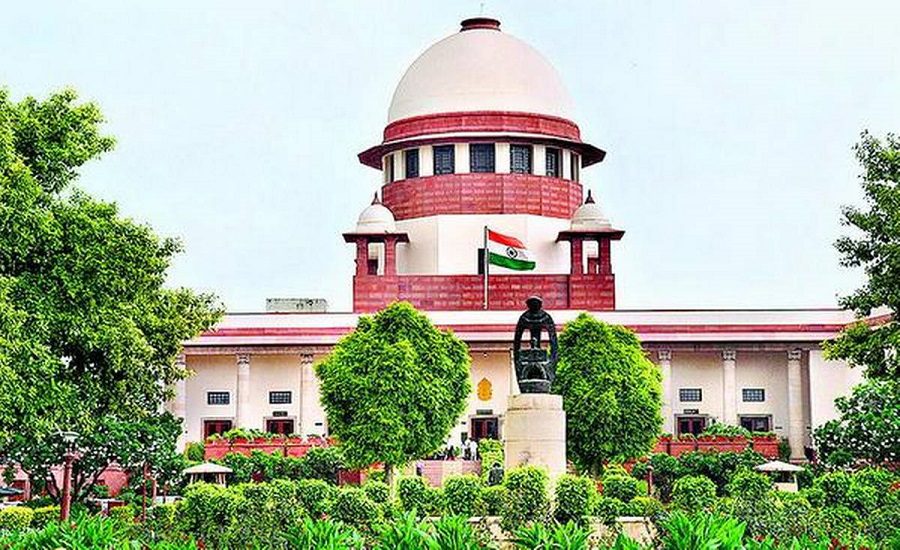
The Supreme Court has issued notice on a plea filed by the CBI against the acquittal of four former Kerala police officials in the 2005 Udayakumar custodial death case.
Read also: Gender Equality vs Personal Law: Supreme Court Demands Centre’s Reply on Muslim Inheritance Rules
A bench of Justices Vikram Nath and Sandeep Mehta has asked the accused to respond to the appeal. The matter is scheduled for further hearing in May 2026.
This step indicates that the apex court is willing to examine whether the High Court’s decision to acquit the accused was legally sound.
Background of the Udayakumar Custodial Death Case
The case dates back to September 27, 2005, when Udayakumar, a 28-year-old man, was taken into custody by Kerala police in Thiruvananthapuram.
According to the prosecution:
- He was allegedly subjected to severe custodial torture.
- He suffered serious injuries, including crushed thigh muscles.
- He later died the same day in hospital.
The incident triggered widespread outrage and became a key example of alleged police brutality in India.
Trial Court Verdict and Convictions
In 2018, a CBI special court convicted several police officials:
- Two constables were awarded the death penalty.
- Senior officers were convicted for conspiracy and related charges.
The court held that the custodial torture directly led to Udayakumar’s death, making it a rare case where capital punishment was awarded in a custodial killing.
Udayakumar Custodial Death Case: Kerala High Court Acquittal Raises Questions
In 2025, the Kerala High Court overturned the convictions and acquitted all accused.
The High Court cited:
- Serious procedural lapses in the CBI investigation
- Improper handling of witness testimonies
- Failure to prove guilt beyond reasonable doubt
It also described parts of the investigation as “tainted” and legally flawed, which weakened the prosecution’s case.
Allegations of Cover-Up and Fabrication
The prosecution had earlier alleged that senior police officers attempted to cover up the incident by:
- Creating false records
- Manipulating official documents
- Concealing illegal detention details
These allegations played a crucial role in the initial convictions but were later questioned by the High Court.
What Happens Next?
With the Supreme Court now issuing notice:
- The acquittal of the accused will be re-examined
- The validity of the CBI investigation may come under scrutiny again
- The case could set an important precedent for custodial death cases in India
The outcome may have a wider impact on how courts evaluate investigation quality and accountability in police custody deaths.
Read also: Who Can Investigate Corruption Cases Against Central Officers? Supreme Court Explains the Law