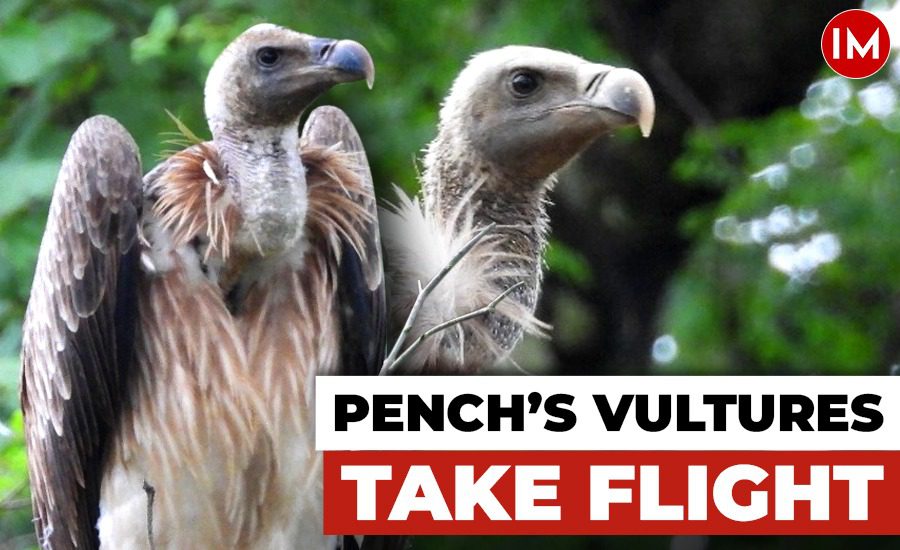
The conservation landscape in India has witnessed a significant milestone with the successful reintroduction of critically endangered long-billed vultures into their natural habitat at Pench Tiger Reserve in Maharashtra. This remarkable achievement, orchestrated by the Pench Tiger Reserve in partnership with the Bombay Natural History Society (BNHS), marks a crucial step in the ongoing efforts to save and revive vulture populations, which have seen a catastrophic decline over the past few decades.
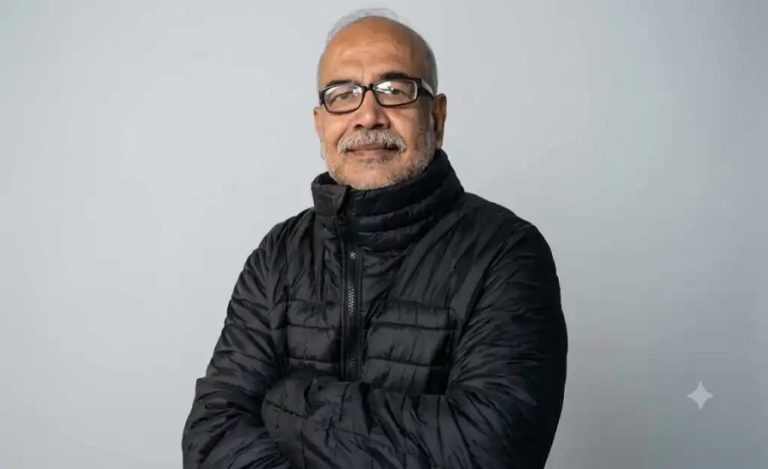
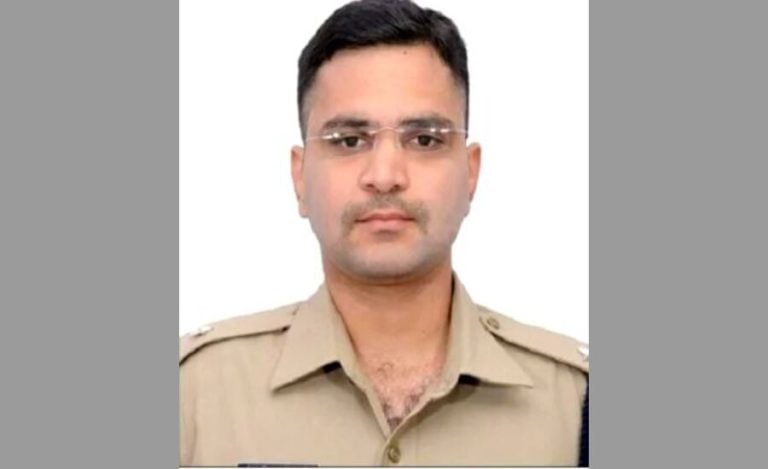
Speaking with Indian Masterminds, 2011 batch IFS officer Prabhu Nath Shukla (Maharashtra Cadre), who is the Deputy Director of Pench Tiger Reserve, Maharashtra, shared about the re-introduction journey in detail.
A Grim Past: The Decline of Vultures
The journey toward this success began in the shadow of a grim reality. “Between the early 1990s and the 2000s, the vulture population in India faced an unprecedented decline, with numbers plummeting by an alarming 90-99%,” Mr. Shukla informed. The primary cause of this drastic reduction was the widespread use of the veterinary drug diclofenac, which, when ingested by vultures feeding on carcasses of treated cattle, caused fatal kidney failure in these birds. This ecological catastrophe threatened to push vultures, once abundant across the Indian subcontinent, to the brink of extinction.
Recognizing the urgent need for action, the Indian government, along with various conservation organizations, initiated a series of measures aimed at reversing the vulture population’s downward spiral. Among these was the establishment of the Jatayu Conservation & Breeding Center in Pinjore, Haryana—the first of its kind in the country—dedicated to the breeding and conservation of these magnificent scavengers.
The Reintroduction Process
Fast forward to January 21, 2024, when a group of 10 long-billed vultures bred at the Jatayu Conservation & Breeding Center was transported to Pench Tiger Reserve. This marked the beginning of the meticulously planned reintroduction process. Upon arrival, the vultures were housed in a pre-release aviary located in the central Bodalzira beat of the East Pench Piparia Range. “For the next seven months, these vultures were acclimatized to their new environment, a process that involved close interaction with the small wild vulture population already present in the reserve,” the officer said.
The acclimatization period was not without its challenges. The summer months brought temperatures soaring above 45 degrees Celsius, a harsh condition for both the vultures and the forest department tasked with ensuring their well-being. Additionally, one of the vultures fell ill during this period, raising concerns about the health and adaptability of the entire group. Identifying the gender of vultures—a task not easily accomplished through visual inspection—added another layer of complexity to the project. However, with the expertise of BNHS and the dedication of the forest department, DNA samples were collected to determine the gender of each vulture, ensuring that the group had a balanced mix of males and females.
The Moment of Release
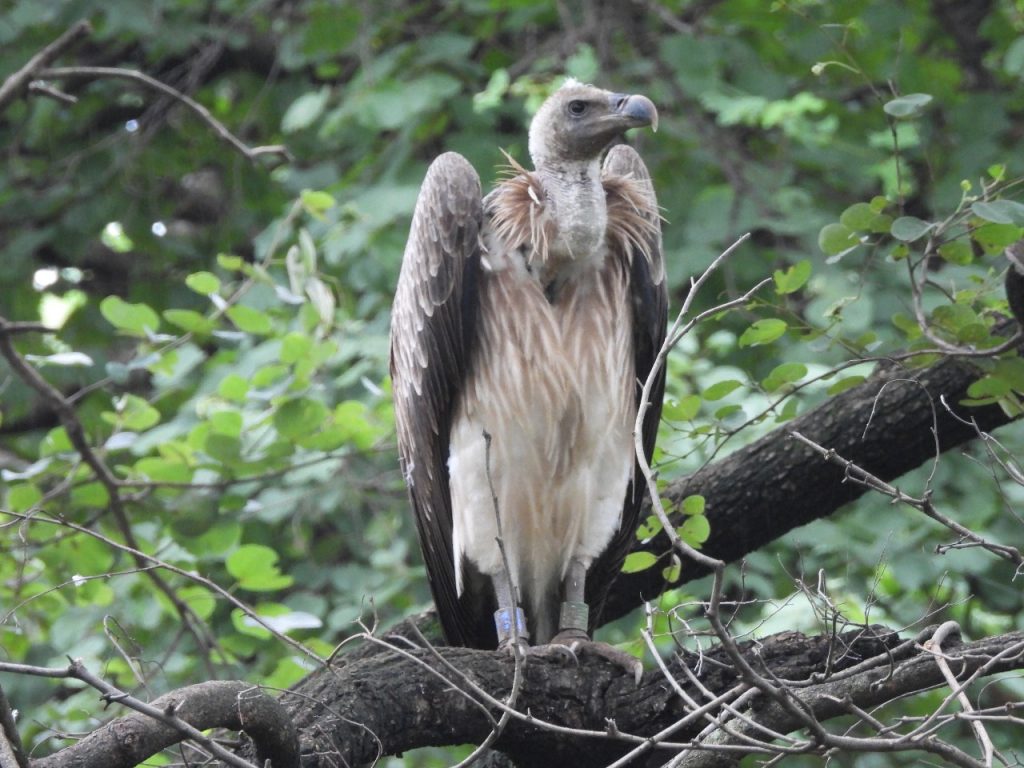
After months of preparation, the crucial moment arrived on August 10, 2024. The doors of the aviary were opened, and the long-billed vultures were finally allowed to venture out into the wild. However, the transition from captivity to freedom was not as smooth as expected. “The vultures, initially hesitant and scared, lingered inside the aviary. It was only when a group of wild vultures attracted by a strategically placed chital carcass outside the aviary arrived at the scene that the captive vultures found the courage to follow them out,” Mr. Shukla informed Indian Masterminds.
This moment of interaction between the released and wild vultures was a critical indicator of the reintroduction’s success.
Ongoing Monitoring
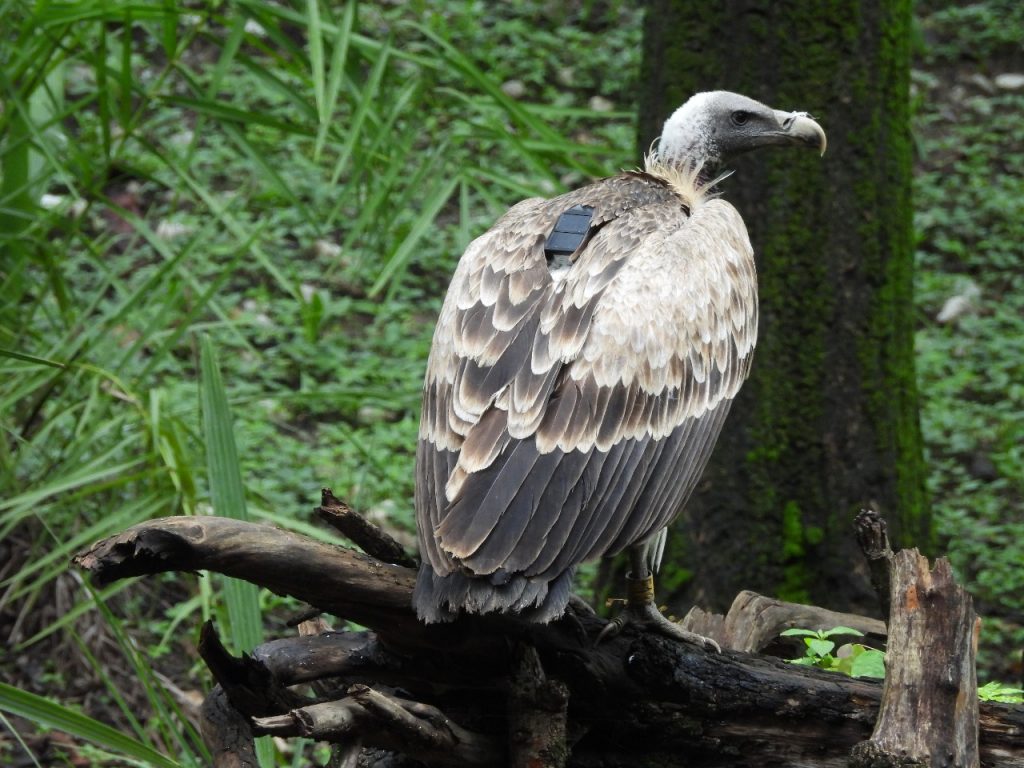
To ensure the long-term success of the reintroduction, each of the released vultures was fitted with PTT (GPS) tags. These tags enable the forest department and BNHS to monitor the movements of the vultures, track their feeding habits, and detect any health issues that may arise. This continuous monitoring is essential to understanding how well the vultures adapt to their new environment and whether they can successfully sustain themselves in the wild.
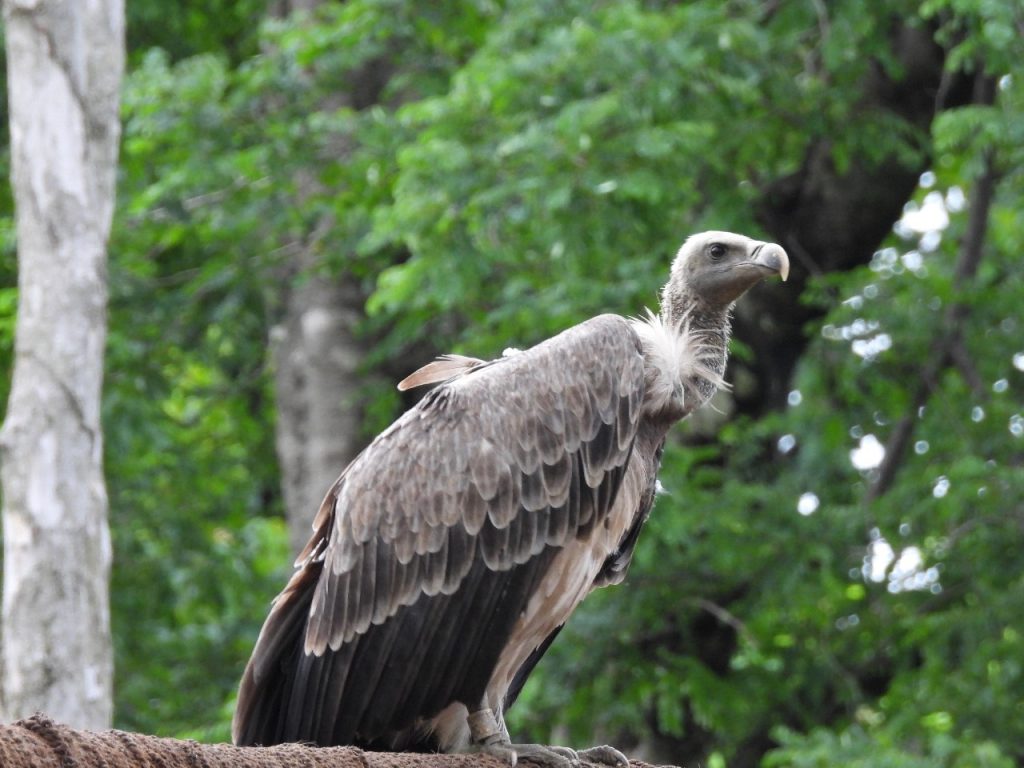
As IFS officer Prabhu Nath Shukla, Deputy Director of Pench Tiger Reserve, explained, “We attached GPS tags on them to monitor their movement and to know if they can get food in the natural habitat or not. For all this, regular monitoring is required.”
Reviving Traditional Practices
The reintroduction of long-billed vultures is not just about replenishing the vulture population; it also serves as a ray of hope for the revival of traditional practices that once supported these birds. In the past, villagers would leave cattle carcasses in designated areas, providing a reliable food source for vultures. Over time, this practice has faded, leading to a scarcity of food for these scavengers. The forest department, recognizing the importance of this practice, is now working to revive it, ensuring that vultures have ample food supplies to sustain themselves.
A Model for Future Conservation Efforts
The success of the long-billed vulture reintroduction in Pench Tiger Reserve has far-reaching implications for wildlife conservation in India. As Deputy Director Prabhu Nath Shukla noted, this project could serve as a model for similar conservation efforts across the country, not only for vultures but for other critically endangered species as well. “The lessons learned from this endeavor can be applied to the conservation of other species, such as the lesser florican, which faces similar threats of extinction.”
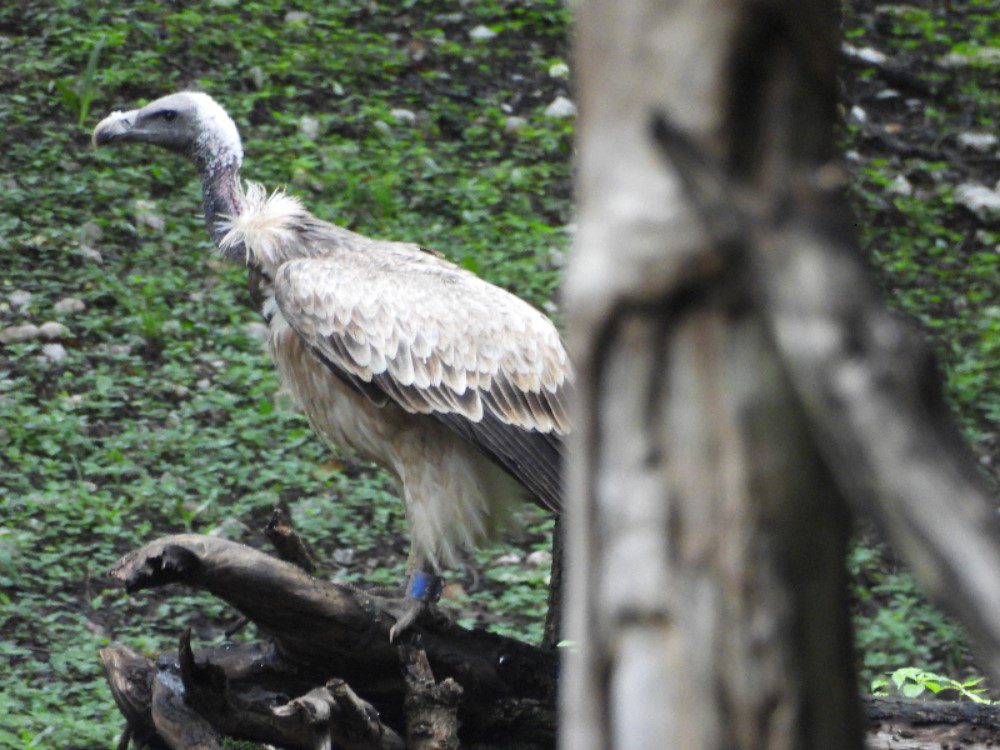
In a world where species are disappearing at an alarming rate, the successful reintroduction of long-billed vultures into their natural habitat stands as a testament to what can be achieved through collaboration, dedication, and a commitment to preserving our planet’s biodiversity. As these vultures soar once again over the forests of Pench, they carry with them the hopes of a brighter, more sustainable future for all endangered species.