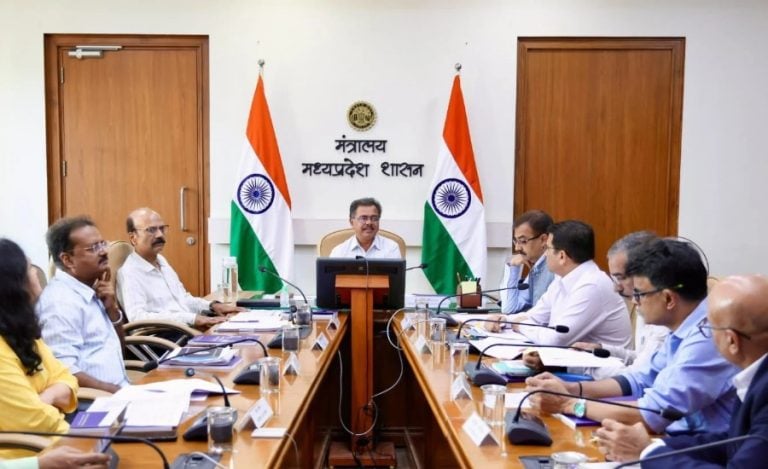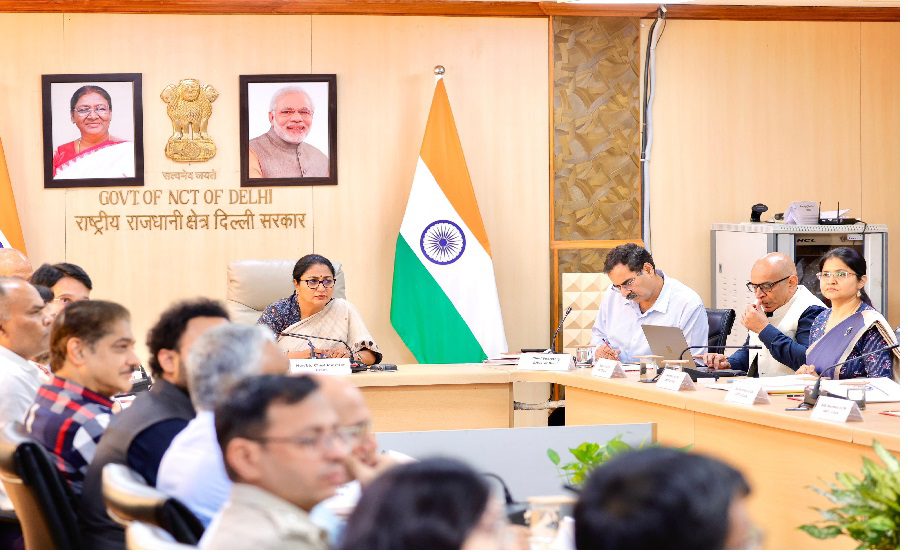
New Delhi: As temperatures begin to rise in the national capital, the Delhi government has intensified preparations to deal with the risks of heat waves. A high-level review meeting on the Heat Wave Action Plan 2026 was chaired by Chief Minister Rekha Gupta, where the administration laid out an extensive strategy to protect citizens from extreme heat conditions.
The government has set an ambitious long-term target of bringing heatwave-related deaths to zero by 2030.
Strong Healthcare Preparedness Across Hospitals
During the meeting, the Chief Minister directed all major hospitals in Delhi to reserve sufficient beds specifically for heatwave patients.
Key healthcare measures include:
- Special cooling rooms operational in over 30 hospitals
- 330+ ambulances equipped with life-saving and cooling systems on alert mode
- Training provided to 174 medical officers and ASHA workers for emergency response
These steps aim to ensure rapid medical assistance during peak summer emergencies.
School Safety Measures: ‘Water Bell’ System Introduced
To protect schoolchildren from dehydration, the government has introduced a ‘Water Bell’ system in schools.
Under this initiative:
- Bells will ring at regular intervals to remind students to drink water
- ORS packets will be distributed in schools when required
- Awareness programs will be conducted to prevent heat-related illnesses among children
The initiative focuses on reducing health risks during extreme heat conditions.
Guidelines for Workers and Outdoor Labour Safety
Special instructions have been issued for construction workers and outdoor labourers.
The government has mandated:
- Restriction or rescheduling of work during peak afternoon heat
- Provision of shaded rest areas at work sites
- Availability of cool drinking water
- Mandatory rest breaks to prevent heat exhaustion
These measures aim to safeguard vulnerable working populations.
Citywide Drinking Water and Cooling Arrangements
With support from the Delhi Disaster Management Authority (DDMA) and various NGOs, the government is ensuring access to drinking water at key public locations such as:
- Bus stops
- Metro stations
- Construction sites
- Community kitchens (Atal Canteens)
In addition, the Delhi Police has installed:
- 11,000 air coolers
- 1,900 water coolers
across the city to provide relief to citizens during extreme heat.
Advanced Heat Alert System Strengthened
The India Meteorological Department (IMD) has implemented a colour-coded alert system—Green, Yellow, Orange, and Red—to warn citizens about heatwave intensity.
The government has further strengthened real-time alert mechanisms to ensure timely dissemination of weather warnings, especially after last year’s temperature reached 43.7°C in Delhi.
The heatwave preparedness plan led by Chief Minister Rekha Gupta reflects a comprehensive approach combining healthcare readiness, public awareness, worker safety, and real-time monitoring. The initiative aims to significantly reduce heat-related risks and build long-term resilience against extreme weather conditions in Delhi.