Patna: The Bihar government has announced an ambitious plan to develop 11 modern satellite townships and green cities across the state, aiming to reshape its urban landscape while directly benefiting farmers through a unique land-sharing model.
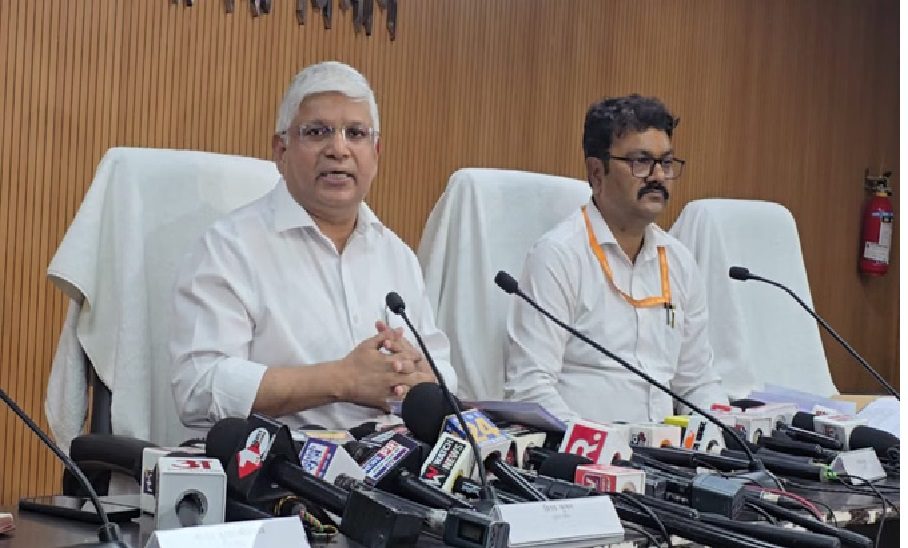
The announcement was made by Vinay Kumar, Principal Secretary, Department of Urban Development and Housing, during a press conference held on Monday.
Farmers to Get 55% Developed Land Instead of Just Compensation
One of the most striking features of the project is its land-sharing model, under which farmers will not simply lose their land.
Instead:
- Farmers will receive 55% of their land back in developed form
- The returned land will be more valuable, with estimates suggesting up to 10 times increase in market value
- Farmers will also have the option to sell or retain the developed plots for higher income
Officials said this approach ensures farmers become direct stakeholders in urban development rather than passive land sellers.
Planned Satellite Townships with Modern Urban Design
The proposed satellite towns will follow a planned urban development model similar to Delhi and Mumbai colonies, featuring:
- Wide roads and structured layouts
- Dedicated residential and commercial zones
- Parks and green belts along roadsides
- Proper infrastructure including schools, hospitals, and markets
Each township will be developed based on a detailed master plan prepared by the Urban Development Department.
Master Plan Timeline and Development Phases
The state government has divided the project into two groups:
Group 1 (Master Plan by March 31, 2027)
Includes:
- Patna (Pataliputra)
- Sonpur (Harihar Nathpuram)
- Gaya (Magadh)
- Darbhanga (Mithila)
- Saharsa (Kosi)
- Purnia (Purnia)
- Munger (Ang)
Group 2 (Master Plan by June 30, 2027)
Includes:
- Muzaffarpur (Tirhut)
- Bhagalpur (Vikramshila)
- Chhapra (Saran)
- Sitamarhi (Sitapuram)
Officials said the draft plan for the new townships is expected by October–November 2026, after which detailed planning will begin.
Land Use Model: Balanced Development Approach
The township development will follow a structured land-use formula:
- 55% land returned to farmers (developed plots)
- 22% for roads and infrastructure
- 5% for parks and green spaces
- 3% for EWS housing (Economically Weaker Sections)
- 15% for project cost recovery and utilities
Authorities said this model ensures balanced growth, sustainability, and financial viability.
Restrictions on Land Transactions to Prevent Middlemen Exploitation
The government has imposed a temporary ban on land buying and selling in proposed township zones.
This step aims to:
- Prevent distress sales by farmers
- Stop land grabbing by middlemen
- Ensure fair value benefits reach original landowners
Officials clarified that the restriction is protective, not punitive, and will be lifted after development progresses.
Economic Growth and Employment Boost Expected
According to officials, the satellite township project is not only about housing but also about:
- Creating new employment opportunities
- Encouraging local industrial and business investment
- Reducing pressure on major cities like Patna
- Promoting balanced regional urbanization
The project is being developed with support from World Bank and other major institutions, indicating its scale and long-term planning.
Major Urban Transformation for Bihar
The new satellite townships will also include:
- A proposed “Pataliputra city” near Punpun spread over 81,000 acres
- Smart infrastructure with utility connectivity in every plot
- Digitally planned zoning and public consultation at every stage
Officials said the goal is to make Bihar’s urban development more organized, modern, and inclusive.